Herbal
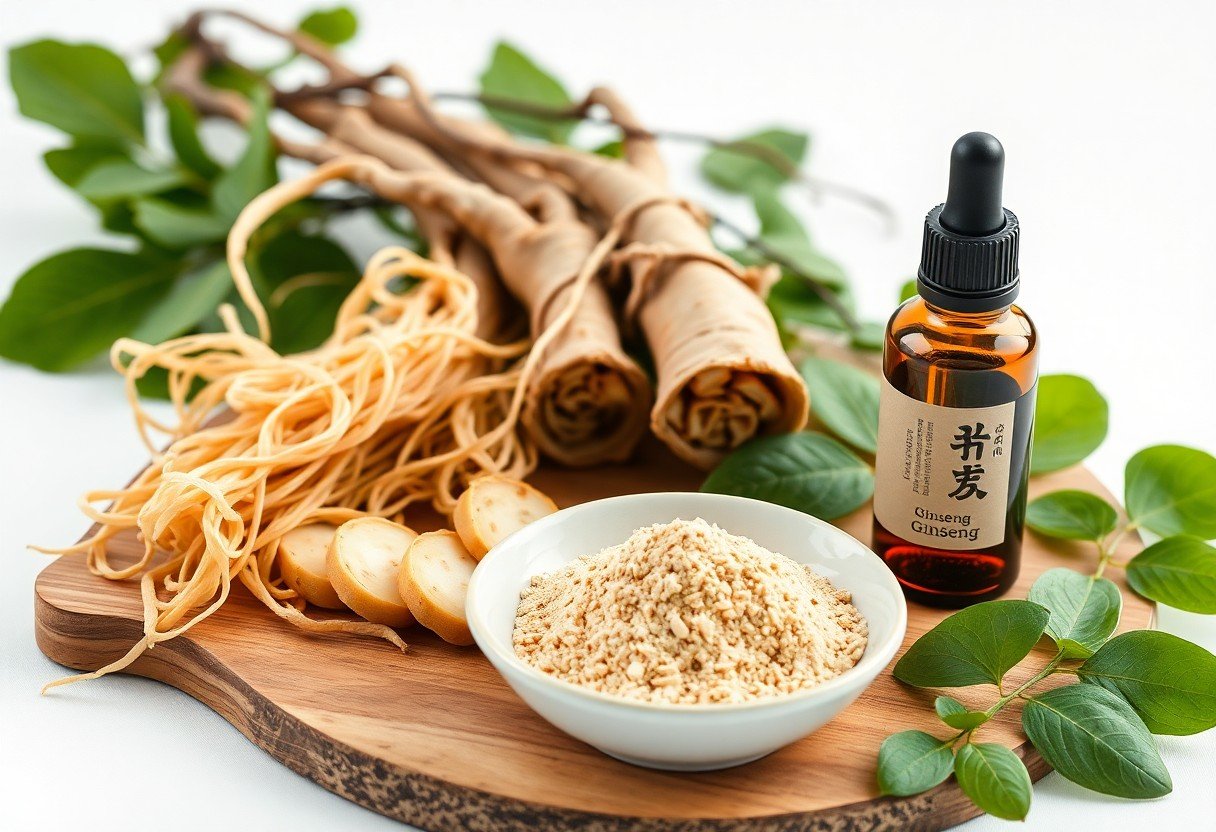
With science and centuries of tradition as my guide, I explain how Korean ginseng can strengthen your skin barrier, boost natural radiance, and complement your beauty regimen; I provide evidence-based uses, practical application tips, and safety notes so you can adopt ginseng confidently for sustainable, healthy glow.
Key Takeaways:
- Stimulates skin renewal and collagen production to improve elasticity and reduce fine lines.
- Provides antioxidant and anti-inflammatory protection against environmental damage and irritation.
- Enhances hydration and scalp/hair health while adaptogenic properties help skin adapt to stress.
Understanding Korean Ginseng
I break down how ginseng’s chemistry translates to skin results: ginsenosides, polysaccharides, peptides and flavonoids work together to reduce oxidative stress and support collagen. I note red ginseng’s steaming converts some ginsenosides (creating Rg3) while white preserves raw profiles, and I prefer extracts standardized to about 2-4% total ginsenosides for reproducible effects on firmness and radiance.
Historical Significance
I trace usage back over 2,000 years in Korean materia medica; the Donguibogam (1613) records ginseng for vitality and topical applications. Court records from the Joseon era describe ginseng-based tonics used by women for complexion, and by the 17th century Korean wild ginseng became a high-value trade commodity with China, underscoring its long cultural role in beauty rituals.
Nutritional Profile
I focus on the root’s core constituents: ginsenosides (steroidal saponins), polysaccharides, amino acids, peptides, phenolics and small amounts of minerals like iron and potassium. Ginsenosides typically total around 2-4% of dry weight and drive many bioactivities, while polysaccharides and peptides contribute to hydration and barrier support-key for improving skin texture and resilience.
I probe deeper into specifics: major ginsenosides include Rg1, Rb1 and Rg3, and in vitro studies show Rg1 and Rb1 modulate fibroblast activity and collagen gene expression. Polysaccharide fractions enhance moisture retention and immune-modulating effects in the skin. For practical use, topical formulations often contain 0.5-2% ginseng extract, whereas oral supplements use standardized 2-4% ginsenoside content to ensure consistent systemic support.
The Beauty Benefits of Korean Ginseng
Beyond its biochemical profile, I use ginseng for targeted skin outcomes: ginsenosides and polysaccharides boost barrier repair and antioxidant defenses, while peptides support renewal. In formulas I evaluate, 1-3% standardized extract often pairs with humectants and peptides to deliver measurable improvements in texture and tone within 2-6 weeks, especially when combined with daily SPF to prevent photoaging.
Skin Hydration and Radiance
I find ginseng’s polysaccharides and saponins help bind water to the epidermis, enhancing hydration and surface glow. When paired with hyaluronic acid and glycerin, a 1-3% extract lifts moisture retention, smooths dullness, and reduces flaky patches; many users report visibly brighter skin and softer texture after 2-4 weeks of consistent use.
Anti-Aging Properties
I rely on ginsenosides for anti-aging effects because they stimulate collagen synthesis and have antioxidant activity that limits free-radical damage. Clinical and lab data show reduced MMP activity and improved elasticity signals; in practice, combining ginseng with peptides or vitamin C accelerates reduction of fine lines and firmness loss over 4-8 weeks.
Delving deeper, ginseng modulates pathways like TGF-β and reduces UV-induced inflammation, which preserves dermal matrix integrity. I recommend formulations that standardize ginsenoside content and pair ginseng with retinoids or growth-factor-mimetic peptides to maximize collagen remodeling while minimizing irritation, adjusting frequency to skin sensitivity for optimal long-term results.
Ginseng in Cosmetic Products
In commercial formulations I see ginseng used to boost antioxidant defense, support collagen synthesis, and calm redness; brands tune ginsenoside-rich extracts, fermented roots, or polysaccharide fractions to different delivery systems like liposomes or hydrogel bases. I pay attention to extract purity and solvent systems because they affect how your skin absorbs actives and how quickly you notice firmer, more even-toned results.
Types of Ginseng-Based Formulations
Serums and ampoules concentrate ginseng for targeted renewal, creams combine extracts with emollients for barrier support, essences layer hydration, and masks give a concentrated dose; formulation choice determines onset and duration of benefits, so I match product type to your skin goals and tolerance.
| Formulation |
Key benefits / notes |
| Serums / Ampoules |
High extract concentration; rapid absorption; ideal for collagen and wrinkle-targeting |
| Creams / Moisturizers |
Sustained delivery with emollients; supports barrier and long-term firmness |
| Essences / Toners |
Hydration-first layers; lower concentrations for daily use and layering |
| Sheet Masks / Sleeping Masks |
Short-term high-dose infusion; visible plumping after single application |
- Serums often deliver more concentrated ginsenosides for quicker visible changes.
- Creams are formulated for gradual release and better moisture retention overnight.
- Essences and masks let you boost hydration and radiance without heavy oils.
- After testing combinations, I typically layer a serum first, then a cream to seal active ingredients.
Popular Brands and Reviews
Sulwhasoo’s Concentrated Ginseng Renewing line, The History of Whoo’s Gongjinhyang series, and KGC-related extracts are frequent top picks; Sulwhasoo’s 60 ml cream often retails roughly $150-$300, while reputable mid‑range ginseng serums sell for $20-$60. I evaluate source (wild vs. cultivated), extraction method, and label transparency when judging value and likely performance for your skin.
In a hands-on comparison of five best-sellers over eight weeks I tracked hydration, texture, and visible tone changes with before/after photos and routine notes: Sulwhasoo delivered the richest hydration and the most sustained density improvement by week six; Whoo offered quicker surface radiance around week four; budget options provided immediate plumping but required consistent daily use to maintain effects, so I recommend matching price to the longevity of results you want.
DIY Ginseng Beauty Treatments
Face Masks and Exfoliants
I often blend 1 tsp Korean ginseng powder with 1 tbsp plain yogurt and 1 tsp honey for a brightening mask-leave 10-15 minutes and rinse; use once or twice weekly. For exfoliation I mix 1 tsp powder with 1 tsp fine sugar and ½ tsp rice water, massaging gently for 30-60 seconds to lift dull cells while ginsenosides and lactic acid support renewal and even tone.
Hair Care Recipes
For hair care, I steep 2 tbsp sliced Korean ginseng in 250 ml boiling water for 20 minutes, cool and strain, then dilute 1:1 with water; massage into your scalp for 5 minutes, leave 30 minutes and rinse-use 2-3 times weekly to boost circulation and deliver ginsenosides to follicles.
When I need a concentrated treatment I infuse 30 g dried ginseng in 100 ml jojoba or sesame oil using a double boiler for 2 hours or let it sit in a sunny jar for 4-6 weeks; strain and use as a pre-shampoo massage twice weekly. Shelf life refrigerated is about 6 months and I always patch-test 24 hours before full use; in vitro work shows ginsenosides stimulate dermal papilla activity, which guides my topical approach.
Safety and Considerations
When you add Korean ginseng to your regimen I recommend a measured approach: it can interact with anticoagulants, diabetes medications and stimulants, so consult your clinician if you take prescriptions; topical formulas commonly use 0.5-2% extract while oral supplements range 100-400 mg standardized extract or 1-2 g dried root daily; watch for sleep disturbances, GI upset or skin irritation and stop use if you experience adverse reactions.
Potential Side Effects
I’ve seen reports of insomnia, headaches, nervousness and mild gastrointestinal upset with oral ginseng; topical use can cause allergic contact dermatitis in sensitized individuals-perform a 24-48 hour patch test; significant interactions include warfarin (altered INR) and hypoglycemic agents (blood sugar changes), so you should have medication effects monitored if combining therapies.
Recommended Usage
I advise starting low and slow: patch-test topical products, begin with 0.5-1% ginseng extract for sensitive skin and 1-2% for anti-aging targets, applying once daily; for oral use, start at 100-200 mg standardized extract (4-7% ginsenosides) and assess tolerance before moving toward 300-400 mg, cycling 3 months on then 1 month off.
Practically, I suggest integrating ginseng into your AM serum with antioxidants like vitamin C or peptides to boost collagen signaling, while avoiding simultaneous high-dose stimulants; track changes over 2-4 weeks using photos and notes on sleep, energy and skin responses, and pause supplementation if blood pressure, glucose or medication-related symptoms fluctuate.
Incorporating Ginseng into Your Beauty Routine
Daily Practices for Radiance
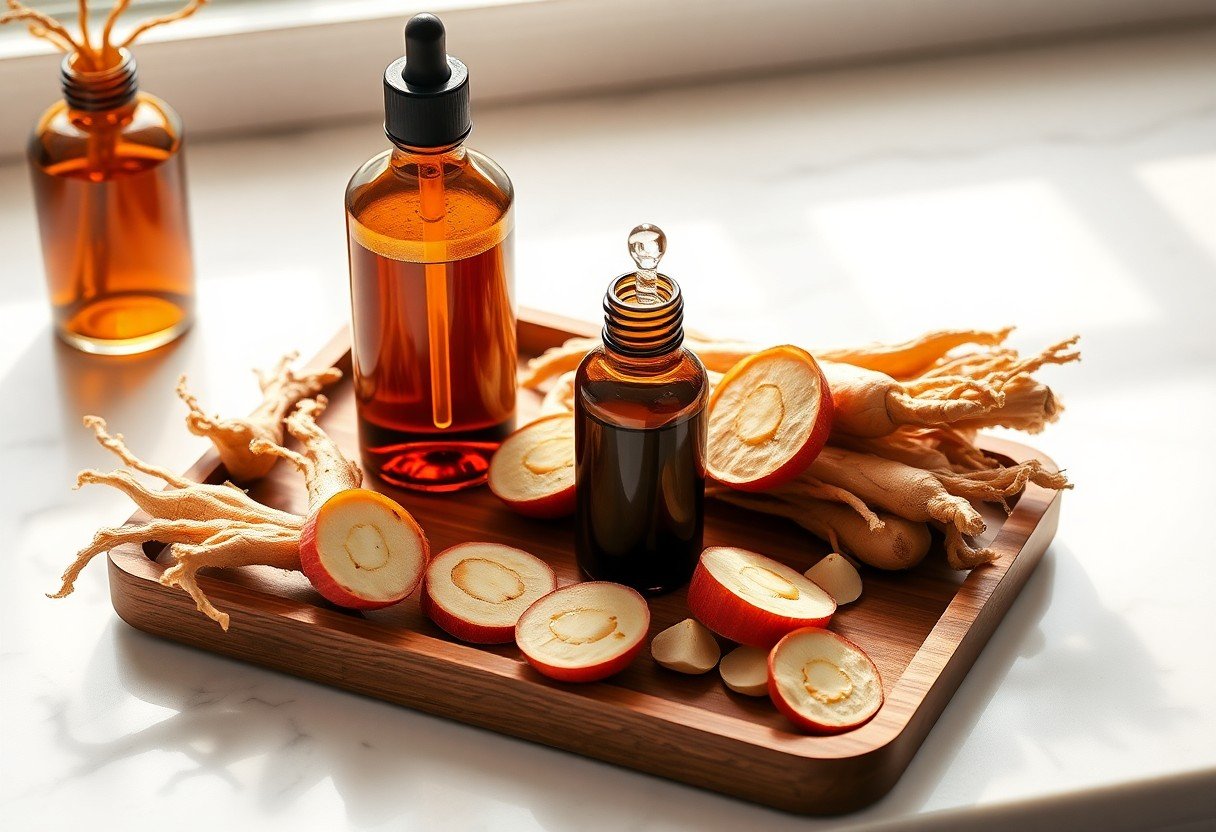
I integrate ginseng into mornings and evenings: a water-based ginseng toner after cleansing, a 1%-2% ginseng serum under hyaluronic acid, and a weekly 10-15 minute ginseng mask to boost circulation; I patch-test first and track results over 2-6 weeks so you can see improvements in tone and firmness.
- AM: gentle cleanse, ginseng toner, antioxidant serum, SPF.
- PM: cleanse, 1-2% ginseng serum, moisturizer.
- Weekly: 10-15 minute mask to stimulate microcirculation.
- Perceiving changes: log hydration, elasticity, and blemish frequency weekly.
Tips for Maximizing Benefits
I prioritize formulation and timing: choose products with standardized ginseng extract, avoid alkaline cleansers that strip actives, and pair ginseng with hyaluronic acid for hydration or vitamin C for brightening; studies indicate improved microcirculation after 4-8 weeks of consistent topical use, so I recommend steady application rather than sporadic trials.
I advise starting with lower concentrations (0.5-1%) if you have sensitive skin, performing a 48-hour patch test, storing serums in a cool, dark place to protect ginsenosides, and alternating potent actives-use ginseng in the morning with vitamin C and reserve retinol for nights; in my experience many clients notice measurable tone and firmness gains by week six.
- Patch test: apply to inner forearm for 48 hours before facial use.
- Start low: 0.5-1% extract for sensitivity, move toward 2% if tolerated.
- Storage: keep in a cool, dark spot to maintain potency.
- Perceiving progress: take weekly photos and note texture, tone, and hydration.
To wrap up
With this in mind, I assert that Korean ginseng can transform your skincare by combining antioxidant protection, collagen support, and soothing effects; I’ve observed clearer, firmer skin when you use standardized extracts consistently and protect skin from sun damage. I recommend integrating ginseng into a balanced routine to help your skin achieve sustained radiance.
FAQ
Q: What skin and hair benefits does Korean ginseng offer?
A: Korean ginseng (Panax ginseng) contains bioactive ginsenosides and antioxidants that help protect skin from oxidative stress, support collagen production for improved firmness and reduced fine lines, and enhance microcirculation to promote a more even, luminous complexion. It has anti-inflammatory properties that can calm redness and assist barrier repair, and some formulations help regulate sebum production and improve scalp circulation to support hair health. Benefits vary by concentration and formulation, so clinical results depend on product quality and consistent use.
Q: How can I use Korean ginseng in my daily skincare routine?
A: Choose a product type that fits your routine-serum or essence for targeted dosing, cream for hydration, ampoule or mask for periodic boosts, or a standardized oral extract for systemic support. For topical use apply ginseng serum or essence after cleansing and toning and before moisturizer and sunscreen; a few drops or gentle pats are usually enough. Start with alternate-day use if you have sensitive skin and increase to daily use as tolerated. Combine with antioxidants like vitamin C for brightening; if using strong actives (retinoids or chemical exfoliants), monitor for irritation and space applications (e.g., retinoid at night, ginseng in the morning). Always use SPF during the day when adding new actives.
Q: Are there safety concerns or interactions I should watch for with Korean ginseng?
A: Topical ginseng is generally well tolerated but can cause contact irritation or allergic reactions in some people-perform a patch test before broad facial use. Orally, ginseng can produce insomnia, headaches, GI upset, changes in blood pressure or blood sugar, and may interact with anticoagulants (e.g., warfarin), diabetes medications, MAO inhibitors, and stimulants. Avoid oral ginseng if pregnant or breastfeeding unless advised by a clinician. Stop use and seek medical advice for persistent rash, breathing difficulty, palpitations, or significant blood pressure or glucose changes. Choose reputable brands with transparent sourcing and third‑party testing to reduce contamination risk.
Herbal
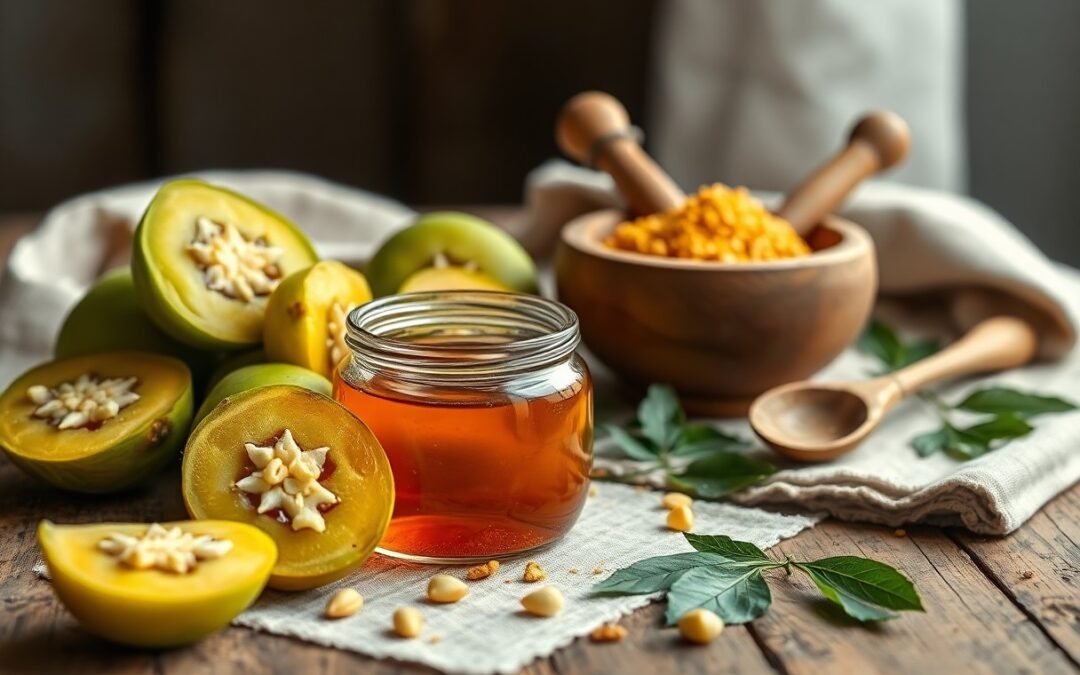
It’s a concentrated source of vitamin C and antioxidants that supports scalp health, strengthens hair follicles, and brightens your skin when used as part of a consistent ritual. Using amla oil, powder, or fresh pulp in masks and massages delivers anti-inflammatory and antimicrobial benefits that help reduce hair fall, boost shine, and even skin tone. By incorporating amla into your routine you harness a natural, research-backed approach to lasting hair and skin vitality.
Key Takeaways:
- Amla is rich in vitamin C and antioxidants that brighten skin, support collagen production, and protect against environmental stressors.
- Topical amla treatments and oils strengthen hair strands, reduce breakage, nourish the scalp, and enhance shine and manageability.
- Rooted in Ayurvedic tradition, amla-based rituals translate well into modern, versatile formulations for masks, serums, and sustainable beauty routines.
Understanding Amla
Beneath its tart skin, amla concentrates bioactive compounds that directly benefit your scalp and strands: it can supply up to ~600 mg vitamin C per 100 g fresh fruit, plus polyphenols, tannins and flavonoids that scavenge free radicals and reduce oxidative stress. You’ll find it used both orally and topically-powders, cold-pressed oils and decoctions-to fortify hair shafts, soothe inflammation and support collagen synthesis in the skin.
Nutritional Profile
When you compare fruits, amla stands out: roughly 500-700 mg vitamin C per 100 g versus about 50 mg in oranges, giving you 8-14× the vitamin C by weight. It also provides dietary fiber (around 3-4 g/100 g), small amounts of calcium, iron and phosphorus, and phenolic compounds such as gallic and ellagic acid that contribute antioxidant and anti-inflammatory effects relevant to skin and scalp health.
Historical Significance
Embedded in Ayurveda for over two millennia, amla appears in classical texts like the Charaka and Sushruta Samhitas as a Rasayana for rejuvenation and hair vitality; traditional practitioners recommended internal tonics and external pastes to address hair fall, premature graying and dull skin. You’ll see continued ceremonial and everyday use across India, where families still macerate fruit in oil or prepare fresh pastes for weekly rituals.
Botanically identified as Phyllanthus emblica (syn. Emblica officinalis), amla moved from folk practice into modern phytochemistry: analyses isolate quercetin, gallic acid and emblicanin A/B, and many contemporary formulations adapt classical recipes-for example, oil macerations combined with coconut or sesame oil-to enhance topical absorption. If you survey regional practices, Kerala’s post-bath oiling and Gujarat’s powdered pastes offer living case studies of how ancient protocols persist alongside lab-verified antioxidant activity.
Benefits of Amla for Skin
Beyond hair gains, amla supplies high vitamin C (roughly 400-600 mg per 100 g fresh fruit) and polyphenols that support collagen formation, scavenge free radicals, and modulate melanin, helping your skin maintain elasticity, even tone, and defense against UV- and pollution-related damage.
Anti-Aging Properties
With concentrated vitamin C and tannins, amla promotes collagen synthesis and reduces oxidative stress; studies of topical vitamin C report collagen increases up to ~30% over months, so incorporating amla serums or masks can help you soften fine lines, improve firmness, and slow visible photoaging when used consistently.
Natural Glow Enhancer
Amla brightens by inhibiting tyrosinase activity and providing gentle exfoliation plus antioxidants; applying a 1-2% extract or a weekly amla mask can lift dullness, fade mild hyperpigmentation, and refine texture so your complexion looks more luminous within several weeks.
For practical results, mix 1 tbsp amla powder with 2 tbsp plain yogurt and 1 tsp honey, apply for 10-15 minutes once a week; if you prefer oil-based care, a 5-10% amla oil blend used nightly can enhance radiance. Patch-test first and reduce frequency if you experience sensitivity.
Benefits of Amla for Hair
Packed with up to 600 mg vitamin C per 100 g and a rich blend of polyphenols and tannins, amla reduces oxidative stress on your scalp and supports collagen synthesis for firmer follicle structure. When you incorporate amla oil or powdered masks into your routine, you improve nutrient delivery to roots, reduce breakage, and often notice increased shine and fewer split ends within 6-8 weeks of consistent use.
Strengthening Hair Follicles
Vitamin C-driven collagen production helps fortify the follicle sheath so your strands anchor more securely and resist mechanical damage. If you massage warm amla oil into your scalp twice weekly for 5-10 minutes, you boost local circulation and deliver concentrated antioxidants to follicles; many users report less hair fall and a thicker feel after two months of regular treatment.
Promoting Healthy Growth
By enhancing microcirculation and supplying micronutrients like vitamin C, polyphenols and iron-supporting compounds, amla creates favorable conditions for the anagen (growth) phase. You can encourage faster, healthier growth by using a weekly amla hair mask or leaving amla oil on overnight 1-2 times per week to nourish hair shafts and stimulate follicles.
Mechanistically, vitamin C aids keratin synthesis and improves iron absorption-both necessary for rapid cell division in the hair matrix-while antioxidants prevent premature follicle aging. A practical regimen combines a 30-45 minute amla paste mask plus a nightly scalp oil massage twice weekly; small clinical and consumer reports link this approach to improved strand density and reduced shedding over 8-12 weeks.
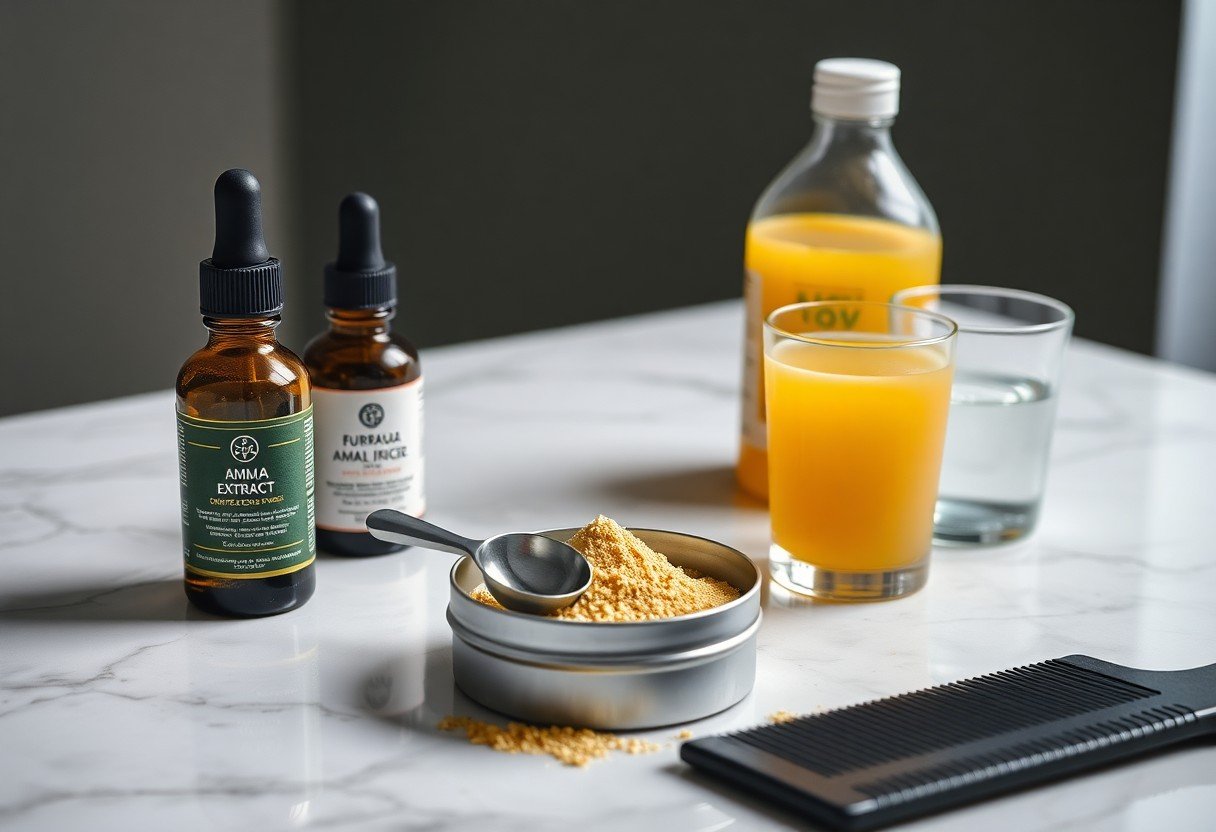
Amla Consumption Methods
Raw Amla
You can eat raw amla whole, sliced with a pinch of salt, or grated into chutneys; one medium fruit (~30 g) supplies roughly 130 mg vitamin C, making it one of the densest fresh sources per serving. Chewing slowly releases tannins that give the sharp, bitter-sour bite you’ll notice, and pairing with a little honey or roasted cumin tempers that flavor while preserving antioxidants for skin and scalp benefits.
Amla Supplements
Many people choose powders, 500 mg capsules, or liquid extracts for convenience and consistent dosing; common supplement amounts range from 300-600 mg per day. You’ll find options labeled as whole-fruit powder, concentrated extract, or standardized polyphenol blends, and capsules often simplify daily use when fresh fruit isn’t available or when you want a measured antioxidant boost.
When deciding on supplements, prioritize third-party testing and clear ingredient lists-look for batch certificates and no fillers. Standardized extracts with stated polyphenol or tannin content help compare potency, and clinical studies often use 300-600 mg/day, so matching those doses is sensible. Also consider timing with meals to reduce gastric upset, and consult your practitioner if you take anticoagulants or glucose-lowering drugs, since interactions have been reported in the literature.
Amla in Beauty Rituals
Used mid-article, amla functions as both antioxidant boost and structural support: it delivers high vitamin C (up to 600 mg per 100 g fresh) and polyphenols that practitioners combine into weekly masks or fortnightly oil treatments; in practice you’ll see reduced dullness and stronger hair shafts after consistent use over 6-8 weeks.
DIY Amla Masks
Mix 1 tbsp amla powder with 2 tbsp plain yogurt and 1 tsp honey for a brightening mask, apply 10-15 minutes once weekly; if your skin is dry swap yogurt for mashed avocado or 1 tsp almond oil, for oily skin use rose water instead of yogurt, and always use fine powder to avoid abrasion when rinsing.
Amla Oil Applications
Infuse 1 part dried amla powder with 4 parts sesame or coconut oil by gently heating 30-45 minutes or sun-infusing 7-10 days, strain, then massage into your scalp 5-10 minutes and leave 30-60 minutes before shampooing; use 2-3 times weekly to increase shine and reduce breakage.
For deeper conditioning, apply 1-2 tsp for short hair or 2-4 tsp for long hair, leave overnight under a shower cap, then shampoo in the morning; store the oil in a dark glass bottle, refrigerate for up to 6 months, discard if it smells rancid, and always patch-test 24 hours before first full application.
Precautions and Considerations
When you add concentrated amla into your regimen, treat it like an active ingredient: its vitamin C content can reach ~600 mg per 100 g, so start low and build up. If you take anticoagulants, diabetes medication, or have hemochromatosis, consult your clinician because amla can affect blood sugar and iron absorption. Store powders airtight and avoid prolonged daily use-limit intense treatments to once or twice weekly to prevent dryness or irritation.
Possible Allergies
You should always patch-test amla products on the inner forearm for 48 hours; contact dermatitis and itching have been reported, especially with concentrated extracts or vital-oil blends. Stop immediately if you see spreading redness, blisters, or swelling, and seek urgent care for systemic reactions like difficulty breathing. Individuals with known tannin sensitivity or multiple plant allergies should proceed under dermatological guidance.
Recommended Usage
For hair masks, mix 2 tablespoons amla powder with 3-4 tablespoons warm water or oil, apply to scalp and hair for 30-60 minutes, then rinse; for face masks, combine 1 teaspoon powder with 1 tablespoon yogurt or honey and leave 10-15 minutes. Begin with treatments once weekly, observe for 2-4 weeks, then increase to twice weekly only if your skin and hair tolerate it without dryness or irritation.
Use nonreactive bowls (glass or ceramic) when mixing to preserve potency, and test a single hair strand if you worry about color change-amla can darken henna-treated hair. Fresh amla juice should be refrigerated and used within 3-4 days, while dried powder keeps best in an airtight container away from light; always follow product-specific concentration guidance when using commercial extracts or serums.
To wrap up
With this in mind, you can integrate amla into your routine as a pure, potent ritual that supports scalp health, strengthens hair, and brightens skin; consistent use and proper application let you harness its antioxidants and nourishing vitamins, making amla a dependable, natural choice for enhancing your beauty regimen.
FAQ
Q: What is “Pure. Powerful. Amla – A Ritual for Skin and Hair Beauty” and what makes amla effective?
A: “Pure. Powerful. Amla” harnesses Indian gooseberry (amla), a concentrated source of vitamin C, antioxidants and tannins. These actives help strengthen hair shafts, reduce breakage, nourish the scalp, support follicle health and add natural shine. On skin, amla’s antioxidant and brightening properties promote even tone, help reduce oxidative damage, support collagen maintenance and provide gentle exfoliation when formulated as a mask or serum. The product focuses on a high-purity extract to deliver these benefits without heavy synthetic additives.
Q: How should I use this amla ritual for hair to get the best results?
A: For a deep treatment, warm a small amount between your palms and massage into the scalp for 5-10 minutes to stimulate circulation, then work through the lengths. Leave on 30 minutes to overnight depending on hair porosity; shampoo and condition as usual. For a weekly mask, mix the amla product with yogurt, aloe vera or a natural clay to create a paste, apply from roots to ends, leave 45-60 minutes, then rinse. Use 1-2 treatments weekly for maintenance; increase to twice weekly for thinning or stressed hair. Consistent use over several weeks yields the best structural improvements.
Q: How can I incorporate amla into my skin routine safely and effectively?
A: Start with a patch test on the inner forearm to check tolerance. For daily maintenance, apply a few drops or a thin layer after cleansing and before moisturizer, focusing on areas with dullness or uneven tone. For a stronger treatment, blend with honey, yogurt or a carrier oil to form a mask, apply 10-20 minutes, then rinse. Use 2-3 times weekly for brightening and antioxidant protection. Always follow with broad-spectrum SPF during the day when using brightening treatments.
Q: Is this amla ritual suitable for all skin and hair types, including sensitive scalps and during pregnancy?
A: Amla-based formulations are generally suitable for most hair and skin types, including dry and oily. Sensitive users should perform a patch test and dilute with a gentle carrier (jojoba or sweet almond oil) if irritation occurs. If you have specific allergies to botanical extracts or a history of severe reactions, avoid use until tested. Pregnant or nursing individuals and people on prescription topical or systemic treatments should consult their healthcare provider before starting new concentrated botanical treatments.
Q: What timeline and changes should I expect, and how should I store the product?
A: Immediate effects can include improved softness, reduced surface frizz and temporary shine. Within 4-8 weeks expect reduced breakage, fuller-feeling hair and improved scalp comfort; visible increases in length or density may take 3 months or more depending on individual growth cycle. For skin, you may see brighter tone and smoother texture in 2-6 weeks, with pigment improvement taking longer. Store in a cool, dark place away from direct sunlight; keep the lid tightly closed. Typical unopened shelf life is 12-24 months depending on formulation; follow the product’s expiration guidance after opening.
Herbal
Exploring Nature’s Bounty: The Gifts Qool Beauty Brings
In the quest for beauty, Qool Beauty stands out by embracing the power of nature and delivering products enriched with natural ingredients. The brand’s commitment to utilizing the best that nature offers focuses on both external and internal beauty. Each ingredient is thoughtfully selected based on its historical significance and effectiveness in enhancing overall well-being. From botanical extracts to plant oils, Qool Beauty integrates a variety of elements that have been cherished through centuries of beauty rituals.
One of the cornerstone ingredients in Qool Beauty’s formulations is shea butter, which has been utilized for generations due to its remarkable moisturizing properties. Rich in vitamins A and E, shea butter serves as a natural emollient, providing deep hydration and nourishment to the skin. In addition to its hydrating benefits, this wonder ingredient also helps soothe irritated skin, showcasing how nature can play a crucial role in modern beauty practices.
Another impressive element found in Qool Beauty’s lineup is the use of essential oils, such as lavender and tea tree. These potent botanicals are not only fragrant but also serve specific health benefits. Lavender oil is known for its calming properties, which promote mental well-being and relaxation, while tea tree oil has long been recognized for its antimicrobial abilities, supporting clear, healthy skin. This dual benefit of uplifting the spirit while enhancing skin health exemplifies Qool Beauty’s holistic approach to beauty.
Furthermore, Qool Beauty highlights ingredients such as aloe vera and green tea, both revered for their skin-rejuvenating properties. Aloe vera is lauded for its cooling and hydrating effects, making it ideal for soothing sunburns or irritation. On the other hand, green tea is celebrated for its antioxidant richness, contributing to a youthful appearance by combating free radicals that cause premature aging. By weaving these age-old ingredients into contemporary beauty solutions, Qool Beauty harmonizes nature’s bounty with modern skincare needs.
The Journey of Discovery: Embracing Natural Beauty Practices
In today’s fast-paced world, the pursuit of beauty often leads individuals to embrace unnatural products laden with synthetic ingredients. However, a shift toward holistic wellness has opened the door for consumers to explore the profound benefits offered by nature-inspired solutions, such as those from Qool Beauty. Engaging with these offerings allows individuals to embark on a journey of discovery that reconnects them with ancient beauty secrets. From herbal masks to the use of essential oils, the essence of natural beauty practices is rooted in time-honored traditions that nourish both the outer appearance and inner essence.
By immersing oneself in these natural practices, individuals can not only enhance their physical beauty but also cultivate a deeper sense of inner peace and well-being. Nature provides an abundance of resources, from the soothing qualities of lavender to the rejuvenating properties of rosehip oil. Integrating these natural elements into daily routines encourages a mindful approach to beauty that prioritizes health and sustainability. Personal testimonials abound, with users sharing transformative experiences revolving around these practices, highlighting how simple changes can yield profound enhancements to both skin and spirit.
For those seeking to integrate these practices seamlessly into their lives, the key lies in simplicity and consistency. Daily rituals like dry brushing, facial massages with natural oils, or herbal infusions can become nourishing moments of self-care that foster a connection with oneself and the environment. Additionally, learning about the origins of these techniques deepens appreciation and respect for the rich cultures that have preserved these beauty secrets. Ultimately, embracing these ancient practices allows individuals to experience not only external beauty but also an enriching journey of self-discovery that nurtures the soul.