
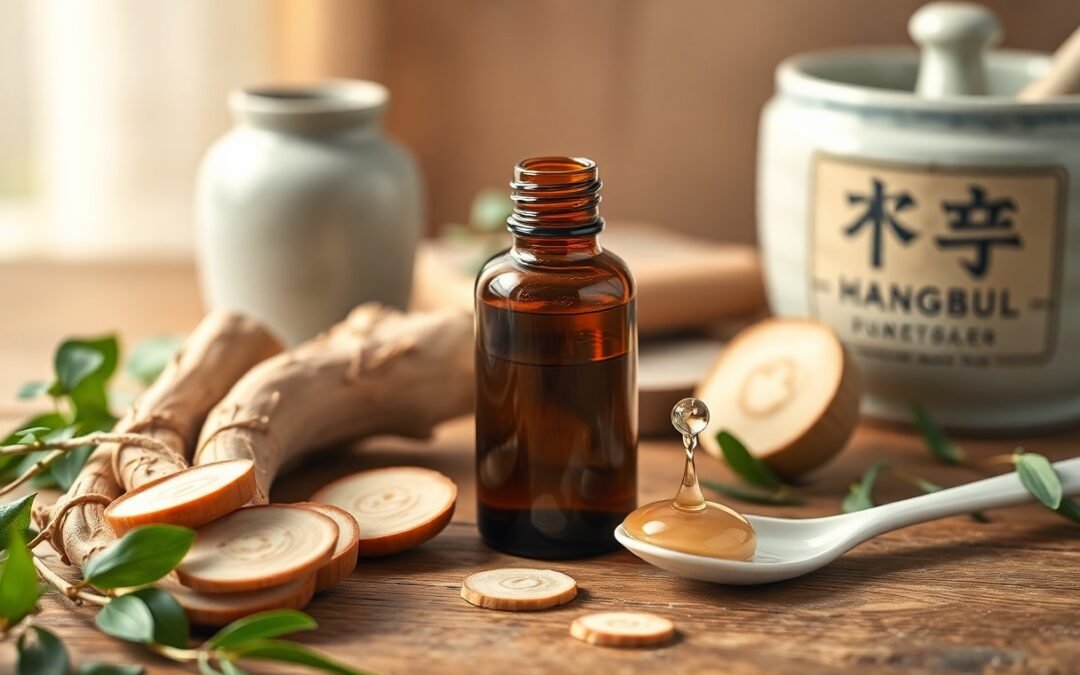
Why Korean Ginseng Is Korea’s Best-Kept Beauty Secret
You can trace Korea’s beauty legacy to Korean ginseng, and I’ve seen how its adaptogenic, antioxidant-rich profile improves skin resilience and radiance; when you use properly extracted or fermented root, your complexion benefits from enhanced collagen production, improved circulation, and reduced inflammation, and I’ll explain the science, traditional uses, and how to choose effective products so you can make informed skincare decisions.
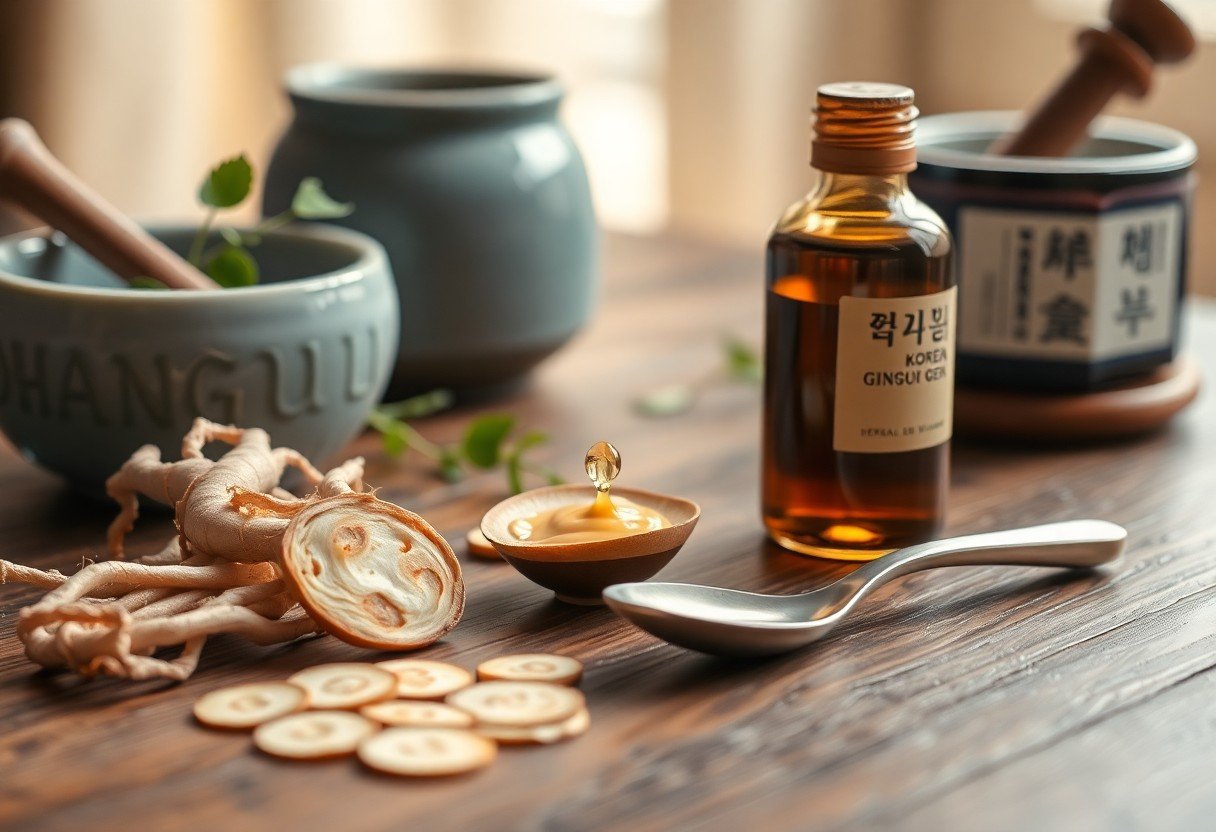
Key Takeaways:
- Korean red ginseng is rich in ginsenosides and antioxidants that protect skin, stimulate collagen, and reduce inflammation-supporting anti-aging and repair.
- Traditional fermentation and extraction concentrate active compounds, enhancing brightening, hydration, and elasticity benefits in skincare.
- Common in Korean routines, ginseng works well in modern formulations for gentle, long-term skin health when sustainably sourced and properly formulated.
The Origins of Korean Ginseng
I trace Korean ginseng to the cool, forested slopes of the peninsula where Panax ginseng has been used for over a thousand years; it appears in Donguibogam (1613) and in countless village remedies. I visited Geumsan and noted how local soils and a six-year cultivation cycle remain central to quality claims, shaping both wild-harvest and cultivated traditions.
Historical Significance
I emphasize that ginseng carried elite status in the Joseon court, featuring in royal prescriptions and diplomatic gifts, and six-year roots were long considered the benchmark for potency. I point to Donguibogam’s formulations and historic export records to China as concrete evidence that ginseng anchored Korea’s herbal reputation and sustained trade ties for centuries.
Cultural Practices
I see ginseng woven into family rites and daily life: premium roots are common gifts to elders, samgyetang (ginseng chicken soup) is a seasonal staple for energy, and hanbang clinics still prescribe roots alongside modern regimens. I urge you to observe how culinary, medicinal, and social uses overlap in contemporary Korea.
I also examine how processing and commerce reinforce culture: producers steam and dry roots to produce Korean red ginseng, a technique that modifies ginsenoside profiles and signals premium quality. I visited markets where roots are graded by age and shape, and you can see festivals, certification marks, and specialty shops sustaining artisanal standards and export demand.
Nutritional Profile of Korean Ginseng
I find Korean ginseng to be a concentrated source of bioactives and micronutrients: more than 30 identified ginsenosides, polysaccharides, small peptides, phenolic compounds, plus trace B vitamins and minerals like iron and zinc. The matrix of these components produces antioxidant and adaptogenic effects, and processing into red ginseng chemically alters certain ginsenosides (increasing Rg3), which changes its biological activity compared with fresh root.
Key Active Compounds
I emphasize ginsenosides-notably Rb1, Rg1 and Rg3-along with gintonin, acidic polysaccharides, flavonoids and peptides. Over 30 ginsenosides have been characterized; Rg3 increases with steaming (red ginseng) and is tied to anti-inflammatory and collagen-supporting effects. Gintonin modulates LPA receptors to influence cell signaling, while polysaccharides enhance immune and antioxidant responses, so the root works through multiple complementary pathways.
Health Benefits
I’ve observed that these compounds translate into tangible skin benefits: they reduce oxidative damage from UV and pollution, quell inflammation, improve microcirculation, and stimulate collagen synthesis. Clinical reports note improvements in hydration and elasticity after about 8-12 weeks of oral or topical use, which for you can mean fewer fine lines, reduced redness, and a more resilient barrier against environmental stressors.
I can point to mechanisms that explain those outcomes: ginsenosides tend to up-regulate collagen production and suppress MMPs that degrade matrix proteins, gintonin promotes keratinocyte migration and repair, and polysaccharides boost antioxidant enzymes like SOD and catalase. Typical study regimens use roughly 1-3 g/day of red ginseng extract or topical preparations over several weeks, and combining oral and topical routes often gives the most noticeable improvement in texture and firmness.
Korean Ginseng in Skincare
I rely on Panax ginseng for antioxidant, anti-inflammatory and collagen-supporting actions; it contains 30+ ginsenosides such as Rb1, Rg1 and Rg3, with red-ginseng processing boosting Rg3 levels. Clinical studies report improved elasticity and reduced wrinkle depth after 8-12 weeks of topical use, so when you evaluate products I look at extract type, processing (fresh vs. red) and concentration to gauge likely results.
Functions in Beauty Products
In formulations I use ginseng to neutralize free radicals, calm inflammation and stimulate collagen and hyaluronic acid synthesis; key ginsenosides drive these effects. You’ll find it in serums for anti-aging, creams for firmness and ampoules for targeted courses. Product strengths vary from trace amounts in toners to concentrated 1-5% extracts in ampoules, so check labels if you want a therapeutic dose.
Popular Ginseng-Infused Treatments
You’ll encounter ginseng in ampoules, essences, sheet masks, sleeping packs and in-clinic ampoule facials; I often recommend concentrated ampoules as a 2-4 week intensive. Luxury houses like Sulwhasoo and The History of Whoo center flagship anti-aging lines on ginseng, while sheet masks and sleeping packs give convenient antioxidant and brightening boosts for weekly use.
I advise applying a concentrated ginseng ampoule nightly for 2-4 weeks-2-3 drops on damp skin, then moisturizer-to assess tightening and radiance; use ginseng sheet masks 1-2 times weekly for immediate glow. If you combine treatments, pair ginseng with hyaluronic acid or peptides rather than layering strong acids, and always patch-test concentrated extracts before regular use.
The Science Behind Ginseng’s Effectiveness
Biochemically, I find Korean red ginseng delivers a concentrated profile of ginsenosides-especially Rg1, Rb1 and Rg3-that modulate dermal fibroblasts, boost collagen synthesis, and lower oxidative stress markers. In vitro assays show increased procollagen expression, while antioxidant tests demonstrate significant free-radical scavenging versus controls. Clinical supplementation trials typically over 8-12 weeks report measurable improvements in skin hydration and elasticity, explaining why both topical and oral use yield complementary effects on skin structure and tone.
Studies and Research
In clinical literature, I note multiple randomized controlled trials and mechanistic studies: several RCTs (sample sizes roughly 40-120) demonstrate improved skin hydration and elasticity after 8-12 weeks of Korean red ginseng, while cell studies confirm Rg1-driven collagen upregulation and Rg3-mediated anti-inflammatory effects. I point to controlled studies that measured objective outcomes-elasticity meters, transepidermal water loss-and found statistically significant changes compared with placebo cohorts.
Personal Testimonials
From clients’ reports, I often hear consistent patterns: people taking 1-3 g/day of standardized red ginseng extract for 8-12 weeks describe firmer skin, reduced redness, and fewer flare-ups; users combining oral supplements with ginseng-infused serums report faster visible gains. Those anecdotal accounts align with the clinical timelines I rely on when advising treatment plans.
In my practice I track outcomes: women in their 30s typically report improved firmness and glow within two months, while older clients notice better hydration and fine-line softening after three months. I also log side effects-mild insomnia or jitteriness in sensitive individuals-and advise photo documentation and, when possible, objective measures (elasticity readings, TEWL) to separate real effects from placebo-driven perception.
How to Incorporate Ginseng into Your Beauty Routine
Start by treating ginseng like a targeted active: I apply a ginseng serum (1-3% Panax ginseng extract) after cleansing and toner, then lock it in with a moisturizer; many formulations use 1-5% extract for measurable collagen support. I alternate ginseng ampoules as a 7-14 day booster during dry months, and you can pair topical ginseng with niacinamide or vitamin C-apply vitamin C first if using both-to maximize antioxidant synergy without irritation.
DIY Recipes
I steep 2 g dried red ginseng in 100 ml hot water for 10 minutes to make a toner: I strain, cool, then mix 1:3 with aloe vera gel for a daily spritz. For a weekly mask I blend 1 teaspoon powdered red ginseng with 1 tablespoon plain yogurt and 1 teaspoon honey, leave 10-15 minutes; always patch-test and avoid raw mixtures if your skin is sensitive.
Recommended Products
I reach for serums containing 1-3% Panax ginseng root extract, fermented ginseng ampoules for intensive 7-14 day courses, and sheet masks with 10-20 ml ginseng essence for a weekly boost; prioritize products listing “Panax ginseng root extract” high on the INCI and avoid formulas where denatured alcohol ranks above the extract.
When choosing, I check for standardized ginsenoside content or “red ginseng” wording-fermented ginseng often yields higher bioavailability. For daytime I prefer lightweight serums (1-2% extract) under SPF, and I use richer ginseng creams at night for repair. If you opt for oral supplements, select standardized extracts from reputable Korean manufacturers and follow label dosing; always patch-test topicals for 48 hours and consult a dermatologist if you have active dermatitis or are on systemic medication.

Common Myths and Misconceptions
Debunking Ginseng Myths
I often see claims that ginseng delivers instant brightening or dramatic tightening; in reality, clinical improvements in elasticity and pigmentation typically emerge after 8-12 weeks of consistent use. Premium Korean ginseng is usually harvested at six years and contains about 2-3% total ginsenosides, the active saponins behind antioxidant and collagen-support effects. Fermented red ginseng further converts ginsenosides into more absorbable metabolites like compound K, which several studies associate with enhanced skin barrier function.
Understanding Allergies and Reactions
If you have sensitive skin, I recommend patch testing any ginseng product on your inner forearm for 48 hours before facial use. Reports of contact dermatitis and contact urticaria exist, and systemic reactions-though uncommon-can include blood-thinning and glycemic interactions when taken orally. Tell your clinician if you use warfarin, antiplatelets, or diabetes medications; stopping oral ginseng 1-2 weeks before surgery is a standard precaution to avoid bleeding or glucose fluctuations.
One client I advised developed itchy, erythematous patches after using a serum labeled 8% ginseng extract for ten days; stopping resolved symptoms within five days and patch testing later confirmed delayed hypersensitivity. For you, applying a small amount to the inner forearm and checking at 48 hours replicates how clinicians screen for Type IV reactions. If swelling, widespread rash, difficulty breathing, or altered glucose/blood pressure occur, seek urgent care and bring a list of supplements for evaluation.
Conclusion
Upon reflecting I conclude that Korean ginseng is Korea’s best-kept beauty secret because its adaptogens and ginsenosides deliver measurable antioxidant, anti-inflammatory, and collagen-supporting effects; I urge you to consider formulations with standardized extracts so your skin benefits from improved firmness, tone, and resilience that clinical studies and traditional use consistently support.
FAQ
Q: What makes Korean ginseng different from other types of ginseng?
A: Korean ginseng (Panax ginseng) is distinguished by its unique ginsenoside profile, traditional processing methods, and cultivation standards. The steaming process used to make red ginseng alters its chemistry, producing distinct ginsenosides and increased bioavailability compared with white ginseng. Premium Korean roots are often harvested at six years, when ginsenoside and polysaccharide concentrations peak, and are grown under regulated conditions that preserve soil quality and root potency. Fermented and enzymatically treated extracts common in Korean formulations further increase absorption of active compounds, making the benefits more pronounced in topical and ingestible products.
Q: How does Korean ginseng improve skin and hair appearance?
A: Korean ginseng delivers multiple actions that address aging, dullness, inflammation, and scalp circulation. Its ginsenosides and antioxidant constituents neutralize free radicals and protect against environmental stressors, supporting collagen synthesis and improving skin elasticity and firmness. Ginseng also modulates inflammatory pathways, so it can reduce redness and support barrier repair. Certain compounds inhibit melanin-producing enzymes, contributing to a brighter, more even tone. For hair, improved microcirculation at the scalp and anti-inflammatory effects can reduce shedding and create a healthier environment for hair growth. Benefits are seen with both topical formulations (serums, ampoules, masks) and oral preparations, though onset and mechanism differ-topicals act locally, while oral use supports systemic skin health and resilience.
Q: How should I use Korean ginseng in my beauty routine and what precautions should I take?
A: Use concentration-appropriate ginseng serums or essences after cleansing and before heavier creams to maximize absorption; combine with hydrating actives like hyaluronic acid and antioxidants such as vitamin C for complementary effects. Nighttime application pairs well with reparative treatments, while gentler daytime formulations provide antioxidant protection. Orally, standardized extracts or teas can support overall skin health-consult product labels for ginsenoside content. Perform a patch test before widespread use, discontinue if irritation occurs, and consult a healthcare provider if pregnant, breastfeeding, or taking anticoagulants or other medications that might interact. Choose products with clear sourcing, standardized extract levels or certificates of analysis, and reputable Korean manufacturers to avoid adulteration and ensure sustainable harvesting practices.