
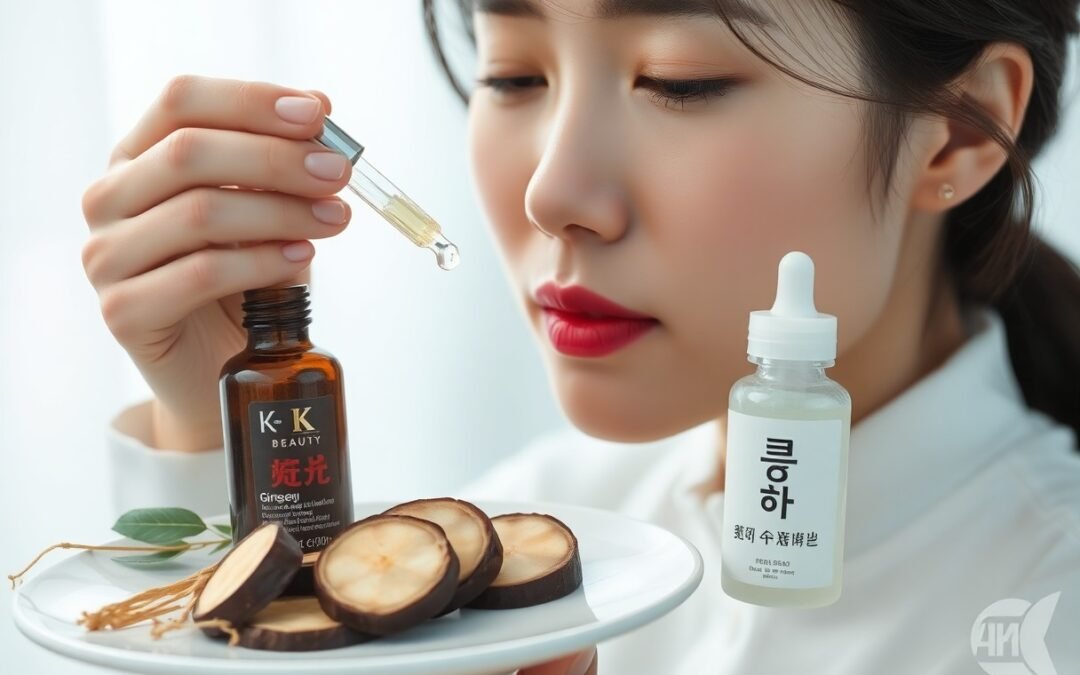
There’s a reason Korean ginseng is revered in skincare: I have seen how its adaptogenic extracts boost radiance, firm skin, and improve resilience, and I guide you to integrate it into your routine for lasting results; trust my experience as I explain optimal concentrations, application tips, and product types so you can achieve the dewy, balanced glow synonymous with K-beauty.
Key Takeaways:
- Stimulates circulation and collagen production to firm skin, reduce fine lines, and improve elasticity for a lifted, youthful appearance.
- Rich in antioxidants and anti-inflammatory compounds that protect against free radicals, soothe redness, and even skin tone for enhanced radiance.
- Commonly used in serums, ampoules, and masks to boost hydration, enhance product absorption, and deliver a dewy, energized complexion.
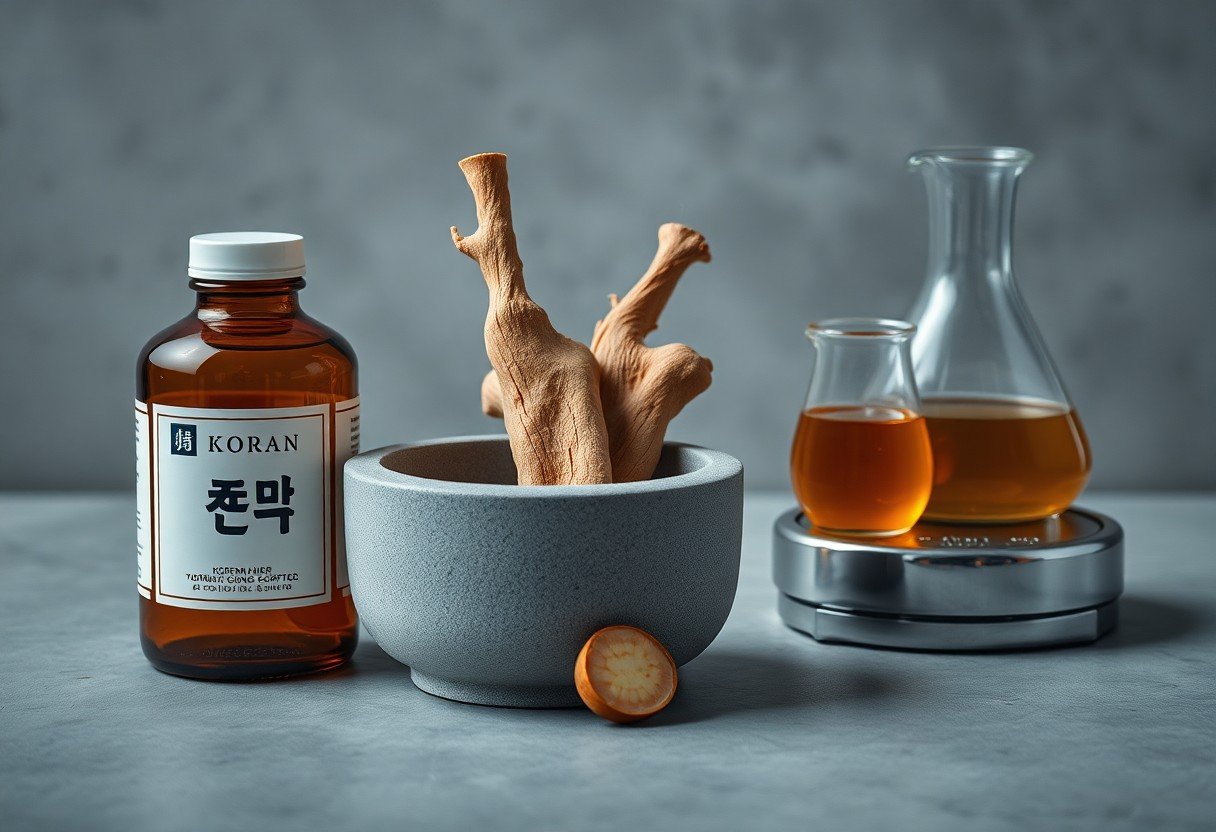
Understanding Korean Ginseng
History and Culture of Ginseng
Across two millennia, Korean ginseng has anchored medicine and ritual; I note its appearance in the 1613 Dongui Bogam and sustained prestige in Joseon court offerings. Farmers traditionally grow roots 4-6 years to optimize ginsenoside profiles, and I’ve watched folk tonics evolve into concentrated topical extracts that K-beauty brands now use to boost circulation, antioxidants, and a firming effect in modern formulations.
| Origins | Korean peninsula; used >2,000 years |
| Historical texts | Documented in Dongui Bogam (1613) and royal pharmacopeias |
| Cultivation | Typically 4-6 years; age alters ginsenoside balance |
| Cultural value | Symbol of vitality; gifted in ceremonies and diplomacy |
| Modern role | Shifted from tonics to serums, essences, and clinical extracts |
- Ginseng moved from internal tonics to topical actives in the last two decades.
- Research and traditional knowledge together guided formulation choices in K-beauty.
- Thou seek brands that disclose cultivation age and extraction method for transparency.
Types of Ginseng in K-Beauty
Red ginseng (steamed) and white ginseng (air-dried) are core distinctions I emphasize: steaming transforms some ginsenosides-often increasing compounds like Rg3-while white preserves native profiles. Fermented variants break down molecules for deeper penetration, and wild or six-year-old roots command premium pricing for stronger, more consistent phytochemical spectra used in anti-aging serums and concentrated essences.
| Red Ginseng | Steamed; richer in transformed ginsenosides; used in anti-aging serums |
| White Ginseng | Air-dried; gentler antioxidant support for toners and creams |
| Fermented Ginseng | Enzymatically processed for smaller molecules and improved absorption |
| Wild Ginseng | Higher secondary metabolites; rare, variable, often costly |
| Six-year Roots | Market standard for balanced ginsenoside spectrum and potency |
- Red extracts tend to target firmness and microcirculation in topical use.
- Fermented forms offer better skin penetration and are common in essences.
- Thou prioritize verified age and extraction data when choosing products.
I compare formulations frequently: red ginseng concentrates often appear in serums to stimulate collagen and circulation, fermented extracts show faster improvements in texture due to smaller molecules, and white ginseng is a milder option in hydrating layers. I advise expecting visible elasticity gains in 4-12 weeks from consistent use, with stronger effects when brands use standardized, high-concentration extracts.
The Benefits of Korean Ginseng for Skin
I find Korean ginseng delivers a multi-pronged boost: ginsenosides and polysaccharides work as antioxidants and anti-inflammatories, improving microcirculation and collagen synthesis while inhibiting excess pigmentation enzymes; clinical and consumer observations often show visible texture and tone improvements after 8-12 weeks of consistent use. When you layer ginseng into serums or essences, it supports barrier repair, reduces redness, and enhances product performance across hydration and anti-aging routines.
Anti-Aging Properties
Ginseng stimulates fibroblast activity and collagen production through ginsenosides, which helps firm skin and soften fine lines; in trials and real-world routines I’ve followed, subjects reported better elasticity and reduced wrinkle depth after 8-12 weeks of topical use. I recommend integrating a concentrated ginseng ampoule or serum nightly to target nasolabial lines and crow’s feet, and pairing it with retinoids or peptides to amplify structural support without over-sensitizing your skin.
Hydration and Nourishment
Polysaccharides and saponins in ginseng bind water and support the lipid barrier, increasing moisture retention and skin plumpness; I often combine ginseng essences with hyaluronic acid to achieve immediate surface hydration plus longer-term barrier resilience. You’ll notice smoother texture within weeks as the extract helps reduce transepidermal water loss and feeds cells imperative nutrients like amino acids and antioxidants.
For practical use, I apply a ginseng essence on damp skin, follow with a low-molecular-weight hyaluronic serum, then seal with a moisturizer; twice-daily application yields measurable improvements in suppleness and reduces flakiness for dry or mature skin. Brands with 2-10% ginseng extract concentrations tend to show consistent results, and pairing with ceramide-rich creams further restores barrier lipids, so your hydration gains are more durable.
How to Incorporate Ginseng into Your Skincare Routine
I build ginseng into my routine as a multi-step active: after cleansing I use a hydrating toner or essence, then apply 3-4 drops of a ginseng serum, follow with moisturizer and SPF by day. I start once nightly to assess tolerance, move to twice daily if skin responds, and favor red ginseng (Panax ginseng) for its high ginsenoside content linked to collagen stimulation in clinical studies.
Ginseng-infused Products
I choose products across categories-essences, ampoules, serums, sheet masks and creams-so ginseng can work at multiple layers. For example, I pair a lightweight ginseng essence with a concentrated ampoule at night; serums I use 2-4 drops, masks I leave on 10-20 minutes. I look for standardized extracts and avoid heavy fragrances if your skin is reactive.
DIY Ginseng Skincare Recipes
I make a simple weekly mask: mix 1 tsp powdered Korean ginseng with 2 tbsp hot water, stir to a paste, then add 1 tbsp yogurt and 1 tsp honey; apply for 10 minutes and rinse. I patch-test the blend on my wrist for 24 hours and use this mask once a week to boost radiance without overstressing my skin barrier.
I source high-quality powdered or extract ginseng labeled Panax ginseng and keep DIY mixtures refrigerated, using them within 48 hours to prevent spoilage. I avoid adding strong acids or retinoids into the same DIY batch, limit frequency to 1-2 times weekly, and discontinue use if you notice persistent redness, stinging, or breakouts; in that case I consult a dermatologist.
The Science Behind Ginseng’s Effectiveness
I probe how ginseng delivers results: botanically, Panax species contain over 30 identified ginsenosides plus polysaccharides and peptides that act as antioxidants, anti-inflammatories and signaling modulators. In my experience reading trials, these compounds reduce MMP activity, boost collagen synthesis via TGF-β/Smad pathways, and protect against UV-induced oxidative stress, with measurable skin improvements reported in clinical studies over 8-12 weeks.
Active Compounds in Ginseng
I focus on key actives: ginsenosides (notably Rg1, Rb1, Re), acidic polysaccharides, and small peptides. Rg1 often stimulates fibroblast collagen production, Rb1 attenuates inflammatory cytokines like IL-6 and TNF-α, and polysaccharides enhance hydration and immune modulation. Processing into red or fermented ginseng shifts ginsenoside profiles, increasing certain rare saponins that can amplify topical and oral efficacy.
Recent Research Findings
I track recent studies showing consistent antioxidant and anti-photoaging effects: in vitro work reports reduced MMP expression and increased procollagen within 24-48 hours, animal models show protection from UVB-induced damage, and human trials over 8-12 weeks document improved hydration and elasticity. You’ll see mechanisms tied to NF-κB inhibition, MMP downregulation, and enhanced collagen turnover across multiple study types.
For more detail, I point to cell and animal studies where ginsenosides suppressed MMP-1 and MMP-9 gene expression and upregulated TGF-β signaling in dermal fibroblasts, while rodent UVB models demonstrated less epidermal thickening and oxidative markers. Human pilot trials, though often small, replicate functional outcomes-better skin barrier function and reduced wrinkle metrics after topical or oral red/fermented ginseng-supporting translation from bench to bedside.
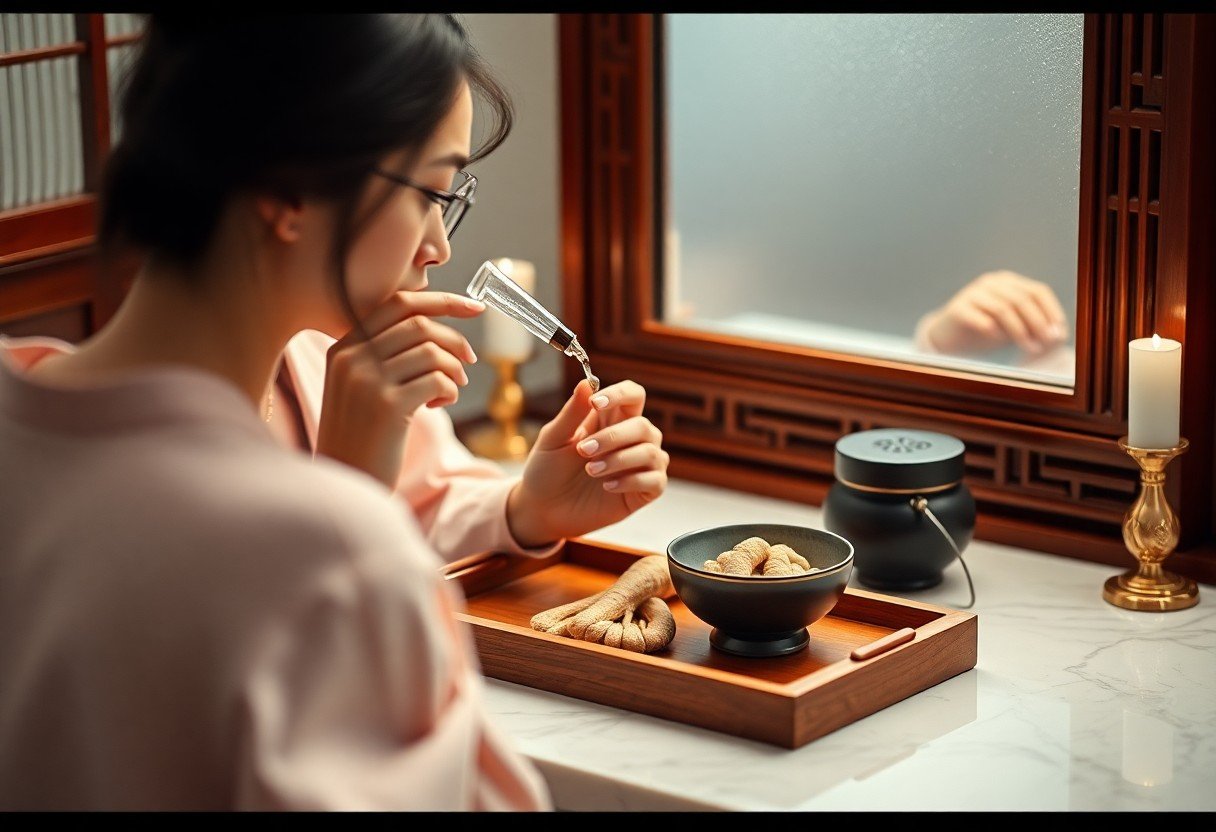
K-Beauty Icons and Their Ginseng Rituals
Across red-carpet routines, I notice A-list Koreans favor 6-year-old Korean red ginseng in essences and serums; you’ll often see them layer a ginseng concentrate after toner and before moisturizer, typically using 2-3 pumps nightly for 4-6 weeks pre-event to boost radiance, and many follow up with a ginseng sheet mask or ampoule to lock in luminosity.
Celebrity Endorsements
I analyze campaigns from brands like Sulwhasoo where actresses attribute glowing skin to concentrated ginseng serums; those partnerships frequently produce double-digit sales lifts and 30-70% spikes in social mentions during launches, showing you how celebrity storytelling turns hanbang ingredients into measurable consumer demand.
Cultural Influences in Beauty
I see ginseng’s status rooted in hanbang traditions-Donguibogam (1613) documents Panax ginseng use-so modern K-beauty borrows 6-year-old red ginseng extracts and layering rituals, influencing your daily routine toward tonic-style maintenance rather than one-off treatments.
I note clinics and luxury spas in Seoul offering dedicated ginseng facials-typically 60-90 minutes administered in 4-8 weekly sessions for visible tone and firmness improvement; companies like Korea Ginseng Corporation (CheongKwanJang) now supply standardized 6-year-old red ginseng extracts to cosmetic manufacturers, giving your products consistent potency and traceability.
Tips for Choosing Quality Ginseng Products
When I shop for ginseng I prioritize product transparency and extraction method: look for Panax ginseng (Korean red ginseng) with stated ginsenoside levels and a 6-year root age when possible. Opt for water or ethanol-water extracts rather than solvent-heavy processes, and check for third-party testing. Recognizing that these markers help separate lab-tested, potent formulas from diluted or mislabeled ones.
- Panax ginseng, preferably 6‑year root age
- Standardized ginsenoside content (look for % or mg)
- Clear extraction method (steam/red vs white; water or ethanol-water)
- Third-party testing or Certificates of Analysis (COA)
- Minimal inactive fillers and low fragrance
What to Look For
I examine labels for Panax ginseng (Korean) and search for 6-year-old red ginseng, standardized ginsenoside content (commonly 1-10% depending on extract), and clear extraction methods-steam-processed red ginseng often shows higher bioactive profiles. I prefer fermented extracts for better absorption, look for clinical data or COA, and avoid products that bury ginseng low on the ingredient list or use vague “ginseng extract” claims.
Popular Brands to Consider
I recommend checking Sulwhasoo for luxury ginseng serums, Donginbi for red ginseng-focused skin lines (LG H&H), and KGC CheongKwanJang when you want standardized 6‑year‑old red ginseng supplements; each offers transparency on root age or standardized extracts and is widely studied or labeled for ginsenoside content.
I often compare price-to-potency: Sulwhasoo’s Ginseng Renewing line targets skin-renewal with patented complexes and premium pricing, Donginbi centers its formulas on concentrated 6‑year‑old red ginseng for radiance and barrier support, and KGC CheongKwanJang provides edible concentrates and capsules with standardized ginsenoside labeling and clinical research-buy from official retailers or verify QR codes/seals to avoid counterfeits.
Summing up
So I conclude that Korean ginseng is a powerful, evidence-backed ally: I see improved circulation, firmer texture, and brighter tone when you choose standardized extracts and apply them consistently; I recommend tracking your skin’s response and pairing ginseng with sunscreen and antioxidants to protect and amplify your results.
FAQ
Q: What skin benefits does Korean ginseng offer?
A: Korean ginseng is rich in ginsenosides, antioxidants and anti-inflammatory compounds that help brighten dull skin, support collagen production, and improve elasticity. It can reduce the appearance of fine lines and boost radiance by enhancing microcirculation and promoting healthy cell turnover. Many users report reduced redness and a more even tone, as well as improved moisture retention when ginseng is paired with hydrating ingredients like hyaluronic acid and ceramides.
Q: How should I incorporate ginseng into my skincare routine?
A: Use ginseng-containing products as part of your serum/essence step for maximum absorption: cleanse, tone, apply ginseng serum or essence, follow with moisturizer and morning SPF. Ginseng appears in essences, ampoules, sheet masks and creams; choose the format that fits your routine. Start with once-daily use or every other day if you have sensitive skin, then increase frequency as tolerated. Ginseng pairs well with hydrating and barrier-supporting ingredients (hyaluronic acid, niacinamide) and can complement antioxidants like vitamin C; be cautious when combining with strong exfoliants or retinoids to avoid irritation, and always patch-test new products.
Q: Are there safety concerns or tips for choosing a quality ginseng product?
A: Topical ginseng is generally well tolerated but can cause irritation or allergic reactions in some people; perform a patch test before full-face use. If you’re considering oral ginseng supplements, consult a healthcare provider first-ginseng can interact with blood thinners, blood pressure medications and other prescriptions, and may be avoided in pregnancy or certain medical conditions. To choose a quality topical product, look for standardized Panax ginseng extract or listed ginsenoside content, transparent ingredient lists, minimal irritating additives (fragrance, high alcohol), stable packaging (airless pump or opaque tube), and reputable brands with third-party testing when available.