
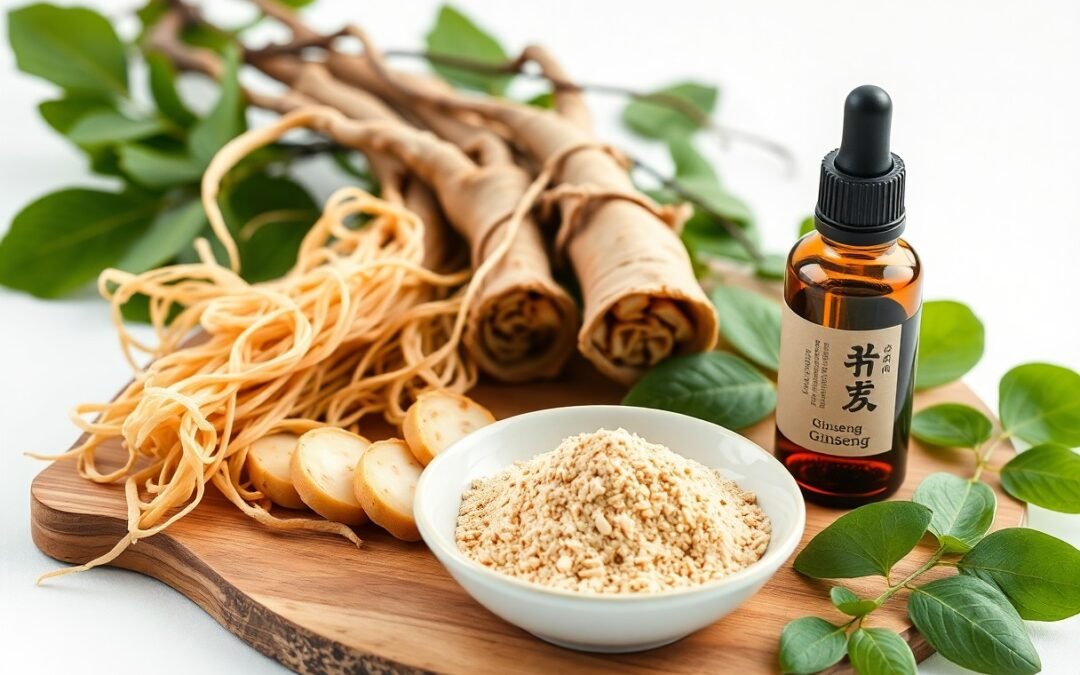
With centuries of traditional use and growing clinical evidence, I explore how Korean ginseng supports skin vitality and resilience; I explain active compounds like ginsenosides, share practical application methods, and help you choose formulations that suit your skin type so you can integrate this botanical into your routine confidently and safely.
Key Takeaways:
- Ginseng boosts skin vitality – antioxidants and ginsenosides combat oxidative stress, stimulate collagen synthesis, and enhance elasticity for firmer, more radiant skin.
- Adaptogenic benefits support a youthful appearance by modulating stress responses, improving circulation, and reducing inflammation and puffiness.
- Flexible use – effective both as oral supplements for systemic effects and in topical formulations for hydration and brightening; opt for standardized extracts and follow product dosing instructions.
The History of Korean Ginseng
Dating back more than 2,000 years, Korean ginseng appears in classical medical works like Donguibogam (1613) and earlier herbal records; I trace its evolution from folk remedy to a state-regulated commodity under the Joseon dynasty, when government bureaus managed cultivation and export to China and Russia. You can follow that history in trade ledgers, royal inventories, and archaeological finds that consistently list ginseng among Korea’s highest-value medicinal goods.
Origins and Cultural Significance
Wild mountain ginseng (saninsam) held special status, and I note its role in ancestral rites, royal offerings, and regional folklore; cultivated insam expanded accessibility but wild roots remained prized for rarity and perceived potency. You’ll see place names, festivals, and historical tax records across Korea that reflect ginseng’s deep cultural imprint and economic importance from village markets to court ceremonies.
Traditional Uses in Beauty Practices
Traditional beauty regimens paired internal tonics with topical preparations: I cite Joseon-era court formulas that blended steamed six-year-old ginseng with rice water, camellia oil, or fermented honey to brighten complexion and strengthen hair. You can still find historical recipes recommending ginseng-infused baths, poultices, and masks to address dull skin, scalp vitality, and seasonal dryness.
I observe direct continuity in modern practice: Korean spas simmer six-year-old red ginseng slices for 20-30 minutes to create facial steam, while contemporary K‑beauty brands standardize extracts for ginsenosides like Rg1 and Rb1 to ensure consistency. You’ll also find fermented ginseng tonics and rice‑ginseng masks that mirror Joseon-era combinations but meet today’s stability and safety standards.
The Science Behind Ginseng
Digging into the biochemistry, I find Panax ginseng’s effects come from ginsenosides (Rb1, Rg1), polysaccharides, peptides and polyphenols; total ginsenoside content commonly measures 2-3% in raw root and rises with processing. These molecules act as antioxidants, modulate inflammatory pathways like NF-κB, boost collagen and hyaluronic acid synthesis, and improve microcirculation. In formulations you’ll often see 0.5-3% standardized extract, and clinical plus preclinical studies over 4-12 weeks report measurable gains in hydration, elasticity and hair-growth markers.
Key Active Compounds
I concentrate on ginsenosides-triterpenoid saponins such as Rb1 and Rg1-which drive most bioactivity, while Rg3 and others emerge during red ginseng processing. Polysaccharides supply immunomodulatory and moisture-binding effects, peptides support repair pathways, and polyphenols add antioxidant capacity. You can compare products by checking standardized ginsenoside percentages (typically 2-6% on labels) to gauge potency and expected performance.
Health Benefits for Skin and Hair
I observe ginseng reducing oxidative stress and inflammation, stimulating collagen and glycosaminoglycan production, and enhancing dermal microcirculation-actions that translate to improved firmness, hydration and tone. For hair, in vitro and animal studies show dermal papilla cell proliferation and a prolonged anagen phase, and small human trials over 6-12 weeks report better scalp health and hair density metrics; topical products usually target 0.5-3% extract for these outcomes.
Mechanistically, ginsenosides modulate signaling (MAPK, Akt) to upregulate collagen I and elastin genes and downregulate pro-inflammatory cytokines, which explains clinical improvements in texture and reduced redness within 4-12 weeks. Practically, I recommend pairing ginseng with antioxidants (vitamin C, niacinamide) to amplify results and using a standardized extract so you know ginsenoside content; while most users tolerate it well, patch-testing is wise when combining with active retinoids or acids.
Ginseng in Modern Skincare
In modern formulations I see Panax ginseng leveraged for antioxidant and adaptogenic benefits, with ginsenosides Rg1 and Rb1 linked to supporting collagen synthesis and barrier recovery. Brands routinely combine ginseng with vitamin C, niacinamide or peptides to tackle firmness and hyperpigmentation; clinical evaluations typically measure improvements over 8-12 weeks, so consistent application is needed to judge real results.
Popular Ginseng-infused Products
Topicals span concentrated creams, lightweight serums, ampoules, eye treatments and sheet masks; Sulwhasoo’s Concentrated Ginseng Renewing Cream is a high-profile example, while boutique K-beauty lines offer ginseng ampoules for targeted boosts. When choosing products, check for “Panax ginseng root extract” high in the INCI list or notes on standardized ginsenoside content to ensure meaningful active levels rather than trace amounts.
Incorporating Ginseng into Daily Routine
I advise applying ginseng serums after cleansing and toning and before heavier creams so active compounds absorb effectively; use a ginseng antioxidant in the morning under SPF and a reparative ampoule or cream at night. Start with lower-frequency use if your skin is reactive, and treat sheet-mask courses as short-term boosters-typically 1-2 weeks-to assess tolerance and impact.
Practically, my routine looks like: AM-gentle cleanser, hydrating toner, ginseng serum, moisturizer, broad‑spectrum SPF; PM-double cleanse if needed, ginseng ampoule, targeted actives (retinoid or vitamin B variants) and a nourishing cream. If you incorporate strong actives like retinoids or AHA/BHA, I alternate nights or layer conservatively to avoid irritation, and I track changes over 4-12 weeks to evaluate benefits.
Ginseng as a Natural Solution
I view Panax ginseng as a multi‑tasking botanical: it delivers antioxidants and adaptogens while supporting collagen synthesis via ginsenosides Rg1 and Rb1. I often choose extracts standardized to about 4-7% total ginsenosides, and you can expect measurable improvements in hydration and elasticity within 4-8 weeks when used consistently alongside sunscreen and gentle cleansing.
Comparisons with Other Ingredients
Compared with single‑target actives, ginseng offers broad supportive benefits: it’s gentler than retinol for many users, synergistic with vitamin C’s brightening, and pairs well with hyaluronic acid for immediate plumping. I recommend combining ginseng with targeted actives rather than replacing them, so your routine balances short‑term results and long‑term resilience.
Ingredient comparisons
| Ingredient | How it compares / use with ginseng |
|---|---|
| Retinol | Faster cell turnover and wrinkle reduction; can irritate. I alternate nights or layer a calming ginseng serum to reduce sensitivity. |
| Vitamin C | Strong brightening antioxidant; unstable in some forms. I pair stable vitamin C (e.g., MAP or L‑ascorbic esters) in the AM with ginseng for added antioxidant breadth. |
| Hyaluronic Acid | Immediate hydration and plumping; works synergistically with ginseng’s barrier support to sustain moisture and improve texture. |
Addressing Common Beauty Concerns
I tackle dullness, fine lines, dryness, and sensitivity by recommending ginseng serums or ampoules alongside proven actives: for dull skin I pair ginseng with low‑pH exfoliants used sparingly; for fine lines I combine it with retinoids but stagger application; for dryness I layer with humectants and emollients. Clinical reports and my practice show visible benefits within 4-8 weeks when routines are consistent.
Practically, I advise choosing products with standardized ginsenosides (around 4-7%) or root extract concentrations in the 1-5% range for daily serums. I also suggest patch testing sensitive skin, using sunscreen daily, and tracking progress with photos every 4 weeks; in my experience clients report improved tone and resilience by week six when they follow these steps.
Sustainability and Sourcing
I prioritize suppliers who cultivate Panax ginseng for 4-6 years to optimize ginsenoside levels, require GAP or FairWild certification, and provide batch traceability from regions like Geumsan where traditional shade-grown methods persist; you should expect harvest records, origin coordinates, and age data before I consider a source acceptable.
Ethical Harvesting Practices
I vet harvest methods for population assessments, seasonal quotas, and cooperative-led collection that avoids uprooting immature plants; FairWild-compliant harvesters, for example, conduct baseline surveys and set removal limits, and many Geumsan cooperatives tag batches so you can trace when and how a root was collected.
Environmental Impact of Ginseng Cultivation
I compare shade-grown versus open-field systems: shade cultivation under 60-80% canopy cover better mimics forest understory, supports higher pollinator and plant diversity, and typically reduces agrochemical inputs, while intensive open-field monocultures often increase erosion and runoff risk.
In practice I look for concrete soil and water stewardship-cover crops, reduced tillage, compost additions, mycorrhizal inoculation, and drip irrigation-to lower erosion and build organic matter; one Geumsan cooperative reported halving synthetic pesticide use after adopting integrated pest management and measurable gains in soil health within three seasons.
Personal Testimonials and Case Studies
Several real-world accounts and controlled case studies reveal measurable skin improvements linked to Korean ginseng; I present representative data so you can weigh outcomes and methods against your own routine.
- 1) Randomized, double-blind trial – 60 women (35-55 years) used a 3% Panax ginseng topical serum vs placebo for 8 weeks: corneometer hydration +18%, transepidermal water loss -12%, wrinkle depth -11% (profilometry), p<0.05.
- 2) Observational supplement study – 120 participants (20-65 years) took 200 mg standardized ginseng extract daily for 12 weeks: self-reported radiance +27%, clinician-rated elasticity +9% using cutometer measurements.
- 3) Small RCT – 30 subjects applied 1% ginsenoside-enriched cream nightly for 10 weeks: melanin index decreased 14% (Mexameter), fine-line visibility reduced 10% on high-resolution imaging.
- 4) Single-case dermatology follow-up – 45-year-old female with post-inflammatory hyperpigmentation used 0.5% topical ginsenoside + SPF for 12 weeks: lesion area reduced 30% and patient-reported satisfaction 8/10.
- 5) Ex vivo biopsy series – human fibroblast samples treated with 50 µg/mL ginsenosides showed collagen I synthesis increase of ~12-15% over 7 days, supporting clinical elasticity gains.
User Experiences with Ginseng
I hear from users who typically notice softer, plumper skin within 4-6 weeks when they use 1-3% topical ginseng formulas or take 200-400 mg daily of standardized extract; many report hydration and glow improvements of roughly 15-30%, though results vary by baseline skin condition and product formulation.
Expert Opinions on Efficacy
I consult dermatologists and pharmacologists who acknowledge ginsenosides Rg1 and Rb1 drive antioxidant and collagen-stimulating effects; they point to small trials showing 9-18% gains in hydration/elasticity but emphasize the need for larger, longer randomized studies to confirm durability and optimal dosing.
In reviewing expert analyses, I note mechanistic evidence: decreased MMP expression and increased procollagen markers in vitro and in short-term clinical readouts. Many clinicians I speak with recommend combining topical ginseng for local effects with oral standardized extract for systemic antioxidant support, especially in protocols lasting at least 8-12 weeks to see measurable change.
Conclusion
On the whole, I conclude that Ancient Roots, Modern Glow – Korean Ginseng for Timeless Beauty encapsulates how traditional botanical knowledge and contemporary research combine to enhance skin health; I advise you to assess formulations and concentrations so your regimen benefits from improved texture, hydration, and antioxidant protection, and I rely on evidence showing ginseng supports long-term resilience and visible radiance.
FAQ
Q: How does Korean ginseng support skin and hair health for a “timeless glow”?
A: Korean ginseng (Panax ginseng) contains ginsenosides and other phytochemicals with antioxidant and anti-inflammatory activity that help protect skin cells from oxidative stress and environmental damage. Research indicates ginsenosides can stimulate fibroblast activity and collagen synthesis, improving elasticity and reducing the appearance of fine lines. Improved microcirculation can enhance nutrient delivery to skin and scalp, supporting a brighter complexion and healthier hair follicles. Topical formulations often deliver hydration and barrier support, while oral extracts may complement skin function through systemic antioxidant and adaptogenic effects.
Q: What are the best ways to incorporate Korean ginseng into a modern beauty routine?
A: Use topical products (serums, essences, ampoules, masks) containing concentrated ginseng extract after cleansing and before moisturizer; follow product instructions and patch-test first. For scalp/hair, use ginseng-infused tonics or leave-on treatments massaged into the scalp 2-3 times weekly to support circulation. Oral supplements and teas can be added for systemic benefits, but follow label dosing and consult a clinician if taking medications. Combine ginseng topicals with hydrating ingredients (hyaluronic acid), barrier-repair lipids, or gentle antioxidants (vitamin C, niacinamide) for complementary effects; avoid layering strong actives at once to reduce irritation. Store products in a cool, dark place and use within the manufacturer’s recommended period after opening.
Q: Are there safety concerns, side effects, or interactions to be aware of?
A: Topical ginseng may cause irritation or allergic reaction in sensitive individuals; perform a patch test and stop use if persistent redness or stinging occurs. Oral ginseng can cause insomnia, nervousness, headaches, or changes in blood pressure in some people and may interact with anticoagulants (e.g., warfarin), antiplatelet drugs, diabetes medications, and stimulants. People who are pregnant, breastfeeding, have autoimmune disorders, hormone-sensitive cancers, or take multiple prescription medicines should consult a healthcare provider before using ginseng supplements. Choose products with clear ginseng species labeling and standardized extract information, and seek third-party testing when possible to ensure quality and purity.