
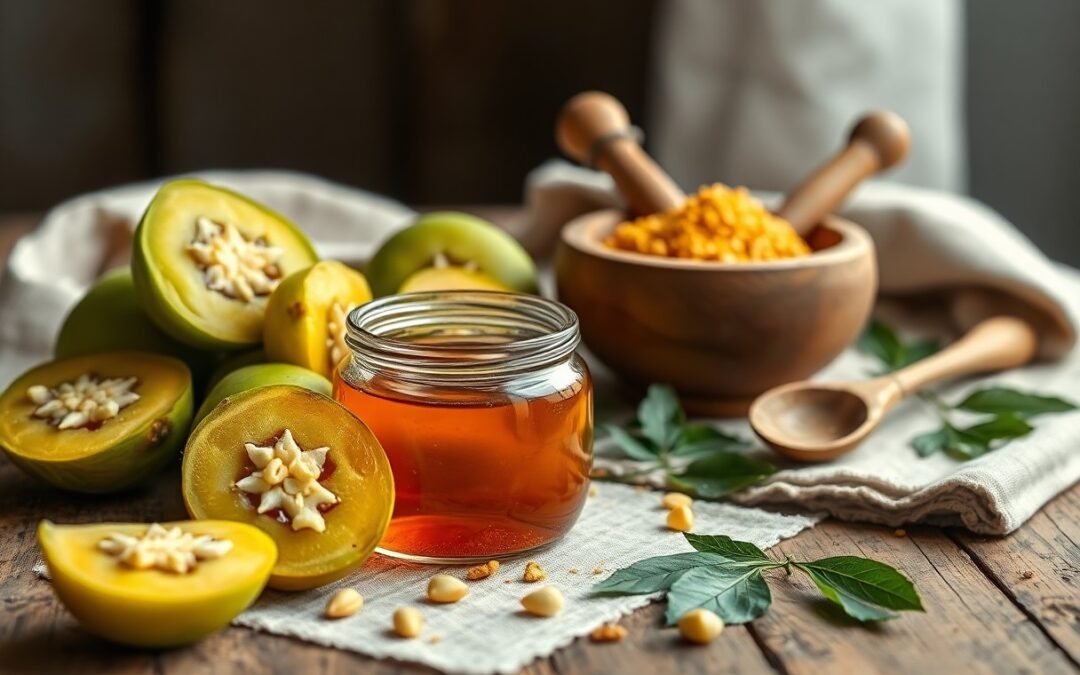
It’s a concentrated source of vitamin C and antioxidants that supports scalp health, strengthens hair follicles, and brightens your skin when used as part of a consistent ritual. Using amla oil, powder, or fresh pulp in masks and massages delivers anti-inflammatory and antimicrobial benefits that help reduce hair fall, boost shine, and even skin tone. By incorporating amla into your routine you harness a natural, research-backed approach to lasting hair and skin vitality.
Key Takeaways:
- Amla is rich in vitamin C and antioxidants that brighten skin, support collagen production, and protect against environmental stressors.
- Topical amla treatments and oils strengthen hair strands, reduce breakage, nourish the scalp, and enhance shine and manageability.
- Rooted in Ayurvedic tradition, amla-based rituals translate well into modern, versatile formulations for masks, serums, and sustainable beauty routines.
Understanding Amla
Beneath its tart skin, amla concentrates bioactive compounds that directly benefit your scalp and strands: it can supply up to ~600 mg vitamin C per 100 g fresh fruit, plus polyphenols, tannins and flavonoids that scavenge free radicals and reduce oxidative stress. You’ll find it used both orally and topically-powders, cold-pressed oils and decoctions-to fortify hair shafts, soothe inflammation and support collagen synthesis in the skin.
Nutritional Profile
When you compare fruits, amla stands out: roughly 500-700 mg vitamin C per 100 g versus about 50 mg in oranges, giving you 8-14× the vitamin C by weight. It also provides dietary fiber (around 3-4 g/100 g), small amounts of calcium, iron and phosphorus, and phenolic compounds such as gallic and ellagic acid that contribute antioxidant and anti-inflammatory effects relevant to skin and scalp health.
Historical Significance
Embedded in Ayurveda for over two millennia, amla appears in classical texts like the Charaka and Sushruta Samhitas as a Rasayana for rejuvenation and hair vitality; traditional practitioners recommended internal tonics and external pastes to address hair fall, premature graying and dull skin. You’ll see continued ceremonial and everyday use across India, where families still macerate fruit in oil or prepare fresh pastes for weekly rituals.
Botanically identified as Phyllanthus emblica (syn. Emblica officinalis), amla moved from folk practice into modern phytochemistry: analyses isolate quercetin, gallic acid and emblicanin A/B, and many contemporary formulations adapt classical recipes-for example, oil macerations combined with coconut or sesame oil-to enhance topical absorption. If you survey regional practices, Kerala’s post-bath oiling and Gujarat’s powdered pastes offer living case studies of how ancient protocols persist alongside lab-verified antioxidant activity.
Benefits of Amla for Skin
Beyond hair gains, amla supplies high vitamin C (roughly 400-600 mg per 100 g fresh fruit) and polyphenols that support collagen formation, scavenge free radicals, and modulate melanin, helping your skin maintain elasticity, even tone, and defense against UV- and pollution-related damage.
Anti-Aging Properties
With concentrated vitamin C and tannins, amla promotes collagen synthesis and reduces oxidative stress; studies of topical vitamin C report collagen increases up to ~30% over months, so incorporating amla serums or masks can help you soften fine lines, improve firmness, and slow visible photoaging when used consistently.
Natural Glow Enhancer
Amla brightens by inhibiting tyrosinase activity and providing gentle exfoliation plus antioxidants; applying a 1-2% extract or a weekly amla mask can lift dullness, fade mild hyperpigmentation, and refine texture so your complexion looks more luminous within several weeks.
For practical results, mix 1 tbsp amla powder with 2 tbsp plain yogurt and 1 tsp honey, apply for 10-15 minutes once a week; if you prefer oil-based care, a 5-10% amla oil blend used nightly can enhance radiance. Patch-test first and reduce frequency if you experience sensitivity.
Benefits of Amla for Hair
Packed with up to 600 mg vitamin C per 100 g and a rich blend of polyphenols and tannins, amla reduces oxidative stress on your scalp and supports collagen synthesis for firmer follicle structure. When you incorporate amla oil or powdered masks into your routine, you improve nutrient delivery to roots, reduce breakage, and often notice increased shine and fewer split ends within 6-8 weeks of consistent use.
Strengthening Hair Follicles
Vitamin C-driven collagen production helps fortify the follicle sheath so your strands anchor more securely and resist mechanical damage. If you massage warm amla oil into your scalp twice weekly for 5-10 minutes, you boost local circulation and deliver concentrated antioxidants to follicles; many users report less hair fall and a thicker feel after two months of regular treatment.
Promoting Healthy Growth
By enhancing microcirculation and supplying micronutrients like vitamin C, polyphenols and iron-supporting compounds, amla creates favorable conditions for the anagen (growth) phase. You can encourage faster, healthier growth by using a weekly amla hair mask or leaving amla oil on overnight 1-2 times per week to nourish hair shafts and stimulate follicles.
Mechanistically, vitamin C aids keratin synthesis and improves iron absorption-both necessary for rapid cell division in the hair matrix-while antioxidants prevent premature follicle aging. A practical regimen combines a 30-45 minute amla paste mask plus a nightly scalp oil massage twice weekly; small clinical and consumer reports link this approach to improved strand density and reduced shedding over 8-12 weeks.
Amla Consumption Methods
Raw Amla
You can eat raw amla whole, sliced with a pinch of salt, or grated into chutneys; one medium fruit (~30 g) supplies roughly 130 mg vitamin C, making it one of the densest fresh sources per serving. Chewing slowly releases tannins that give the sharp, bitter-sour bite you’ll notice, and pairing with a little honey or roasted cumin tempers that flavor while preserving antioxidants for skin and scalp benefits.
Amla Supplements
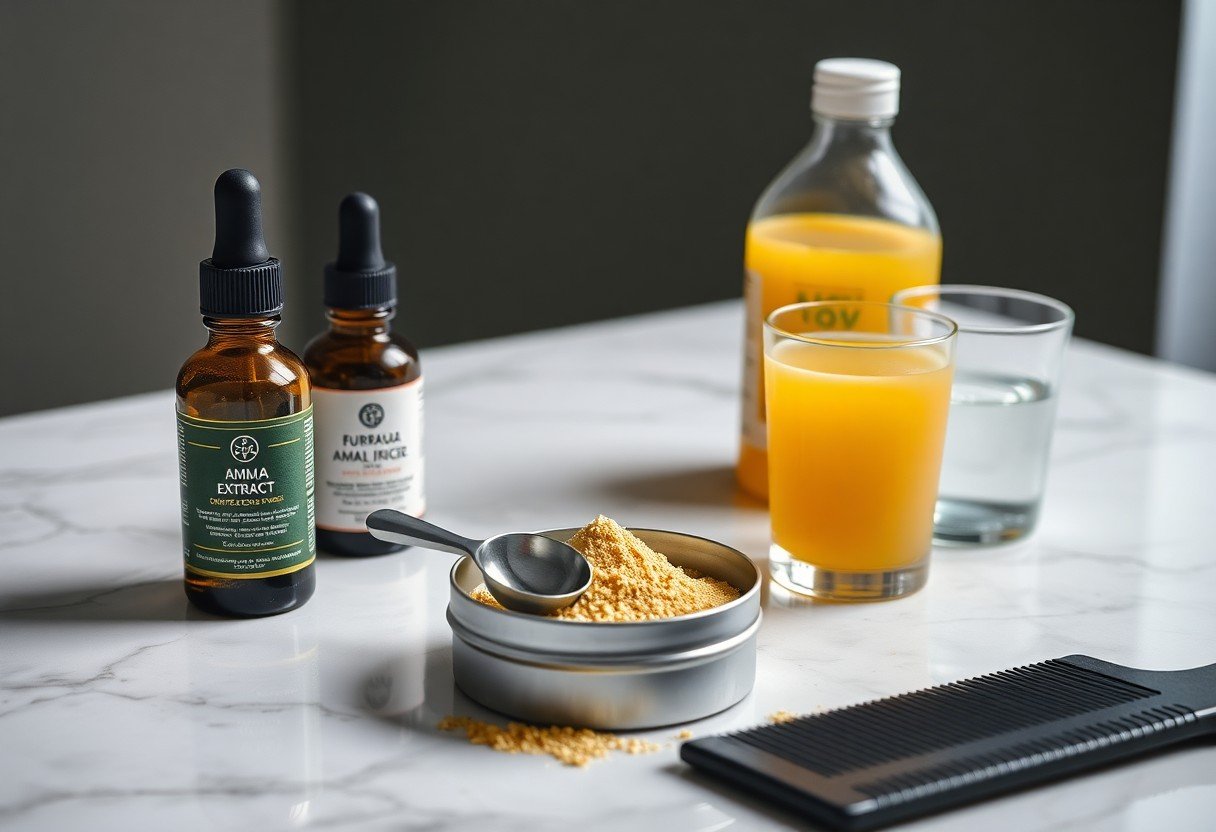
Many people choose powders, 500 mg capsules, or liquid extracts for convenience and consistent dosing; common supplement amounts range from 300-600 mg per day. You’ll find options labeled as whole-fruit powder, concentrated extract, or standardized polyphenol blends, and capsules often simplify daily use when fresh fruit isn’t available or when you want a measured antioxidant boost.
When deciding on supplements, prioritize third-party testing and clear ingredient lists-look for batch certificates and no fillers. Standardized extracts with stated polyphenol or tannin content help compare potency, and clinical studies often use 300-600 mg/day, so matching those doses is sensible. Also consider timing with meals to reduce gastric upset, and consult your practitioner if you take anticoagulants or glucose-lowering drugs, since interactions have been reported in the literature.
Amla in Beauty Rituals
Used mid-article, amla functions as both antioxidant boost and structural support: it delivers high vitamin C (up to 600 mg per 100 g fresh) and polyphenols that practitioners combine into weekly masks or fortnightly oil treatments; in practice you’ll see reduced dullness and stronger hair shafts after consistent use over 6-8 weeks.
DIY Amla Masks
Mix 1 tbsp amla powder with 2 tbsp plain yogurt and 1 tsp honey for a brightening mask, apply 10-15 minutes once weekly; if your skin is dry swap yogurt for mashed avocado or 1 tsp almond oil, for oily skin use rose water instead of yogurt, and always use fine powder to avoid abrasion when rinsing.
Amla Oil Applications
Infuse 1 part dried amla powder with 4 parts sesame or coconut oil by gently heating 30-45 minutes or sun-infusing 7-10 days, strain, then massage into your scalp 5-10 minutes and leave 30-60 minutes before shampooing; use 2-3 times weekly to increase shine and reduce breakage.
For deeper conditioning, apply 1-2 tsp for short hair or 2-4 tsp for long hair, leave overnight under a shower cap, then shampoo in the morning; store the oil in a dark glass bottle, refrigerate for up to 6 months, discard if it smells rancid, and always patch-test 24 hours before first full application.
Precautions and Considerations
When you add concentrated amla into your regimen, treat it like an active ingredient: its vitamin C content can reach ~600 mg per 100 g, so start low and build up. If you take anticoagulants, diabetes medication, or have hemochromatosis, consult your clinician because amla can affect blood sugar and iron absorption. Store powders airtight and avoid prolonged daily use-limit intense treatments to once or twice weekly to prevent dryness or irritation.
Possible Allergies
You should always patch-test amla products on the inner forearm for 48 hours; contact dermatitis and itching have been reported, especially with concentrated extracts or vital-oil blends. Stop immediately if you see spreading redness, blisters, or swelling, and seek urgent care for systemic reactions like difficulty breathing. Individuals with known tannin sensitivity or multiple plant allergies should proceed under dermatological guidance.
Recommended Usage
For hair masks, mix 2 tablespoons amla powder with 3-4 tablespoons warm water or oil, apply to scalp and hair for 30-60 minutes, then rinse; for face masks, combine 1 teaspoon powder with 1 tablespoon yogurt or honey and leave 10-15 minutes. Begin with treatments once weekly, observe for 2-4 weeks, then increase to twice weekly only if your skin and hair tolerate it without dryness or irritation.
Use nonreactive bowls (glass or ceramic) when mixing to preserve potency, and test a single hair strand if you worry about color change-amla can darken henna-treated hair. Fresh amla juice should be refrigerated and used within 3-4 days, while dried powder keeps best in an airtight container away from light; always follow product-specific concentration guidance when using commercial extracts or serums.
To wrap up
With this in mind, you can integrate amla into your routine as a pure, potent ritual that supports scalp health, strengthens hair, and brightens skin; consistent use and proper application let you harness its antioxidants and nourishing vitamins, making amla a dependable, natural choice for enhancing your beauty regimen.
FAQ
Q: What is “Pure. Powerful. Amla – A Ritual for Skin and Hair Beauty” and what makes amla effective?
A: “Pure. Powerful. Amla” harnesses Indian gooseberry (amla), a concentrated source of vitamin C, antioxidants and tannins. These actives help strengthen hair shafts, reduce breakage, nourish the scalp, support follicle health and add natural shine. On skin, amla’s antioxidant and brightening properties promote even tone, help reduce oxidative damage, support collagen maintenance and provide gentle exfoliation when formulated as a mask or serum. The product focuses on a high-purity extract to deliver these benefits without heavy synthetic additives.
Q: How should I use this amla ritual for hair to get the best results?
A: For a deep treatment, warm a small amount between your palms and massage into the scalp for 5-10 minutes to stimulate circulation, then work through the lengths. Leave on 30 minutes to overnight depending on hair porosity; shampoo and condition as usual. For a weekly mask, mix the amla product with yogurt, aloe vera or a natural clay to create a paste, apply from roots to ends, leave 45-60 minutes, then rinse. Use 1-2 treatments weekly for maintenance; increase to twice weekly for thinning or stressed hair. Consistent use over several weeks yields the best structural improvements.
Q: How can I incorporate amla into my skin routine safely and effectively?
A: Start with a patch test on the inner forearm to check tolerance. For daily maintenance, apply a few drops or a thin layer after cleansing and before moisturizer, focusing on areas with dullness or uneven tone. For a stronger treatment, blend with honey, yogurt or a carrier oil to form a mask, apply 10-20 minutes, then rinse. Use 2-3 times weekly for brightening and antioxidant protection. Always follow with broad-spectrum SPF during the day when using brightening treatments.
Q: Is this amla ritual suitable for all skin and hair types, including sensitive scalps and during pregnancy?
A: Amla-based formulations are generally suitable for most hair and skin types, including dry and oily. Sensitive users should perform a patch test and dilute with a gentle carrier (jojoba or sweet almond oil) if irritation occurs. If you have specific allergies to botanical extracts or a history of severe reactions, avoid use until tested. Pregnant or nursing individuals and people on prescription topical or systemic treatments should consult their healthcare provider before starting new concentrated botanical treatments.
Q: What timeline and changes should I expect, and how should I store the product?
A: Immediate effects can include improved softness, reduced surface frizz and temporary shine. Within 4-8 weeks expect reduced breakage, fuller-feeling hair and improved scalp comfort; visible increases in length or density may take 3 months or more depending on individual growth cycle. For skin, you may see brighter tone and smoother texture in 2-6 weeks, with pigment improvement taking longer. Store in a cool, dark place away from direct sunlight; keep the lid tightly closed. Typical unopened shelf life is 12-24 months depending on formulation; follow the product’s expiration guidance after opening.